



1. Product Overview
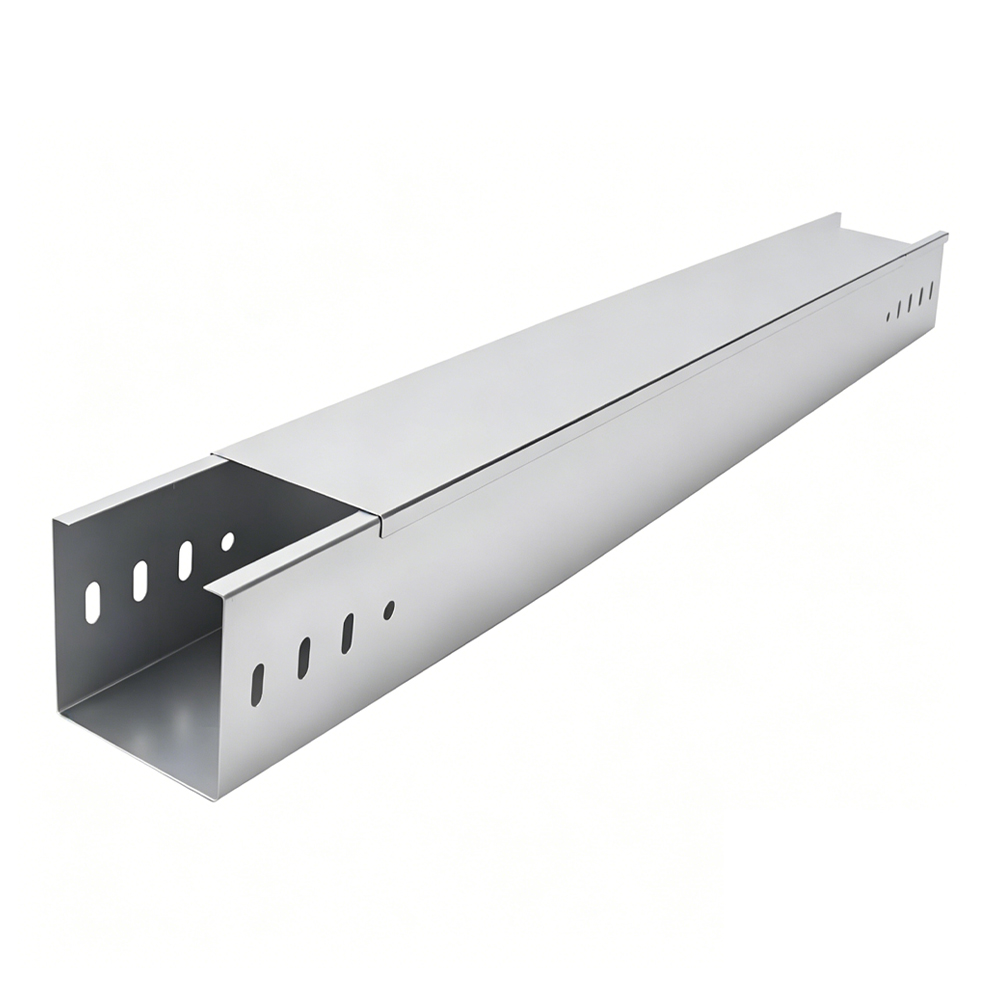
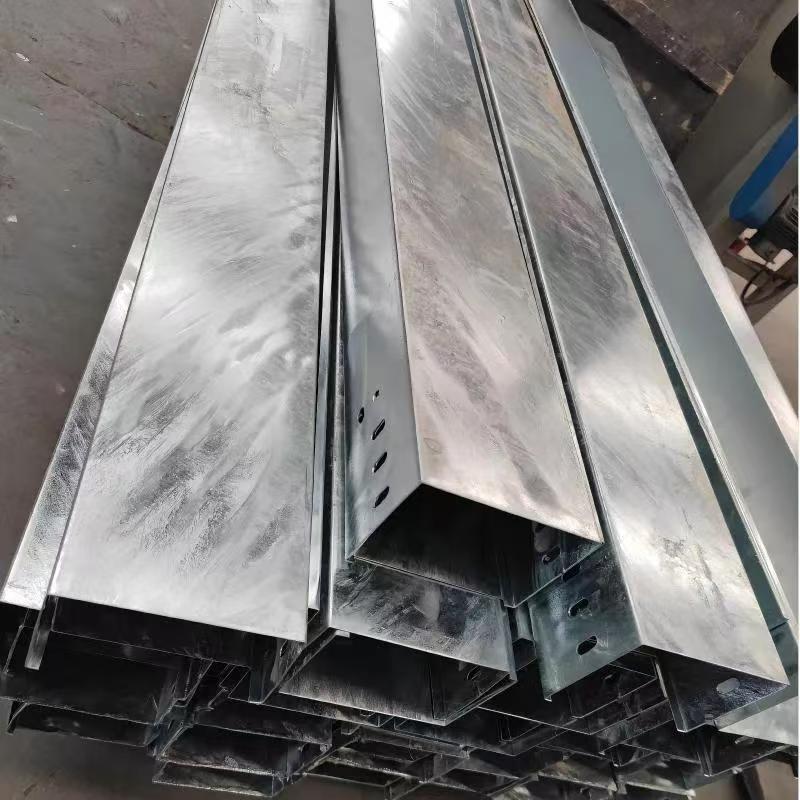
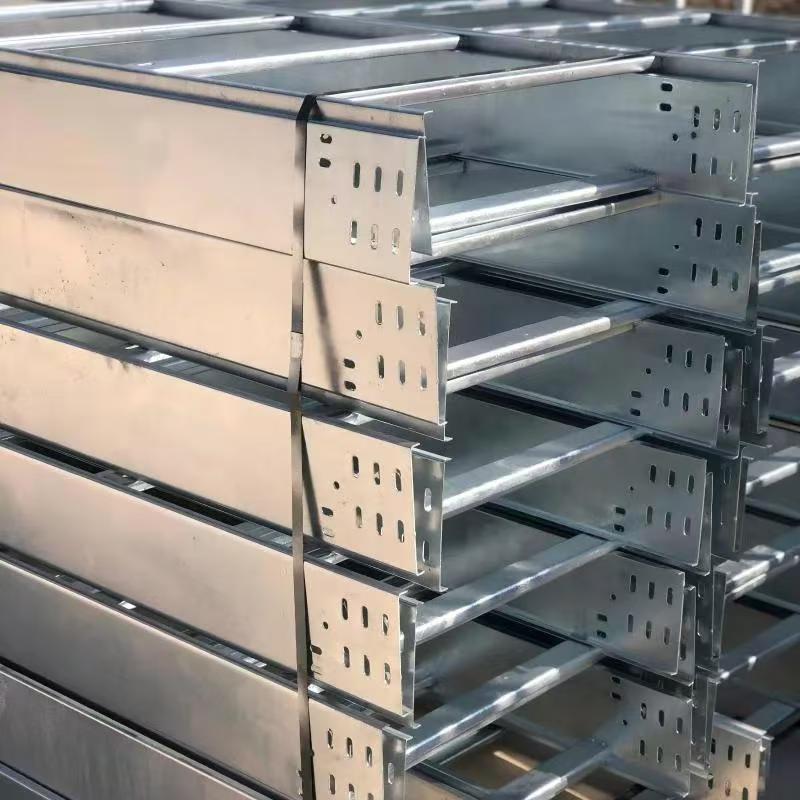
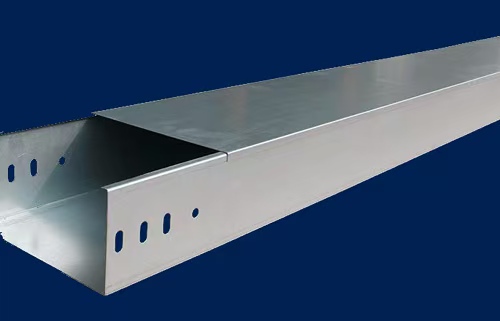
Galvanized Cable Tray is a steel cable support system made of Q235 cold rolled steel sheet, coated with zinc protective layer via three mainstream anti-corrosion processes: Hot-Dip Galvanizing, Electro-Galvanizing & Pre-Galvanizing. It covers solid trough, perforated tray, ladder, corrugated energy-saving and long-span types, matched with full set galvanized elbows, tees, splice plates and support brackets. It is the most widely used wiring support for building power & weak current, industrial plants and municipal projects. The zinc layer acts as sacrificial anode to isolate moisture and rust, featuring outstanding cost performance.
2. Three Galvanization Processes & Classification
(1) Hot-Dip Galvanized (HDG) Cable Tray – Mainstream for Engineering
1. Process: Finished tray is pickled & fluxed, fully immersed in molten zinc at 460℃ to form integrated zinc-iron alloy coating, thickness 65–100μm, fully covering welds, holes and bent inner edges.
2. Advantages: Metallurgical bonding with ultra-high adhesion, no peeling under impact; salt spray resistance ≥800h, service life 15–25 years for outdoor, humid and mild chemical environments.
3. Application: Factories, underground parking lots, photovoltaic stations, tunnels, mild coastal areas.
4. Upgraded Version: Double Hot-Dip Galvanized Tray, double zinc coating 120–180μm, designed for heavy salt-spray islands and offshore wind power.
(2) Electro-Galvanized Cable Tray (Cold Galvanized) – Indoor Economy Type
1. Process: Thin zinc layer (5–15μm) deposited by electrolysis, bright & smooth surface without zinc nodules, delicate appearance.
2. Disadvantages: Physical adhesion coating, easy to rust once scratched; poor resistance to humidity & salt spray, prone to corrosion within 3 years outdoors.
3. Application: Dry indoor office buildings, shopping malls, data rooms for general weak current wiring & low-budget indoor projects.
(3) Pre-Galvanized Cable Tray
1. Process: Steel coil is galvanized first, then bent & punched; weld & cutting edges have no zinc coating, requiring touch-up paint on site.
2. Application: Dry indoor retail shops, residential concealed wiring, only for non-humid & non-corrosive simple scenarios.
3. Main Structural Types
1. Galvanized Solid Trough Cable Tray: Fully enclosed with matching cover, dust-proof & anti-EMI, for instruments, optical fibers and fire weak current cables.
2. Galvanized Perforated Cable Tray: Heat dissipation holes on base, balancing load & ventilation, general for factory power cables.
3. Galvanized Ladder Cable Tray: Hollow rung design for maximum heat dissipation, ideal for large-section high-voltage cables & high-temperature workshops.
4. Galvanized Corrugated Energy-Saving Tray: Reinforced ripple lightweight structure, material-saving & long-span, for PV rooftops & long-distance utility tunnels.
5. Galvanized Long Span Cable Tray: Thickened steel with reinforcing ribs, single unsupported span 3–6m, for large factories & municipal utility tunnels.
4. Core Product Advantages
1. Excellent cost performance for all engineering projects
Lower total cost than stainless steel, FRP and aluminum alloy trays, standard selection for most indoor & outdoor projects.
2. Dual anti-rust sacrificial anode protection
Zinc sacrifices itself to protect steel substrate even with minor surface scratches, preventing direct penetration rust.
3. Continuous metal conduction for reliable earthing & lightning protection
Integral steel & zinc coating ensures complete earthing circuit with splice plates, anti-static & lightning-proof, compliant with fire electrical codes.
4. High structural strength & impact resistance
Rigid carbon steel base resists deformation under embedding, ceiling suspension and heavy multi-cable load.
5. Complete size range & matching fittings
Full sizes from 100×50mm to 800×200mm available; all elbows, tees, reducers and supports adopt identical galvanizing process for consistent anti-corrosion performance.
6. Easy installation & low maintenance
Pre-punched standard bolt holes compatible with threaded rods & expansion anchors; HDG trays require no regular rust removal or repainting for long-term service.
5. Standard Specifications
Size (Width × Height mm): 100×50, 200×100, 300×100, 400×150, 600×200, 800×200
Standard wall thickness: 1.0/1.2/1.5/2.0/2.5mm; standard length 4m per piece, custom width, height & dividers available.
6. Application Range
High-rise offices, shopping malls, hospitals, schools, data centers, underground parking lots, industrial workshops, photovoltaic power stations, municipal utility tunnels, metro tunnels, open-air substations, logistics parks, fire power distribution mains.
7. Matching Galvanized Accessories
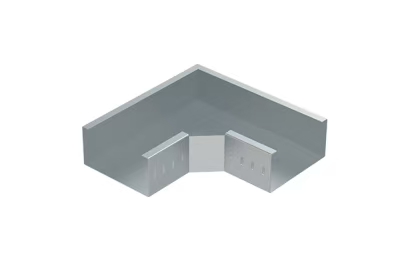
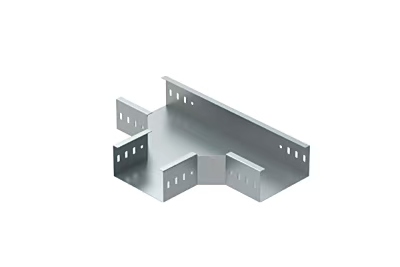
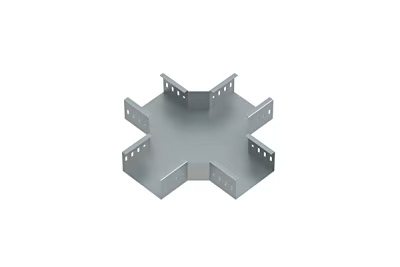
Galvanized splice plate, cable tray cover, 90°/45° horizontal elbow, vertical up/down elbow, tee, cross, reducer coupling, end cap, galvanized support bracket, U-type hanger, threaded suspension rod, M8/M10 galvanized fasteners, grounding jumper
Product Categories: Cable Tray
Galvanized Cable Tray HDG Cable Tray Galvanized Solid Trough Cable Tray
Products Center
Contact Us
- Product Introduction
1. Galvanized Cable Tray
2. Hot-Dip Galvanized Cable Tray(简写 HDG Cable Tray)
3. Electro-Galvanized Cable Tray / Cold Galvanized Cable Tray
4. Pre-Galvanized Cable Tray
5. Galvanized Ladder Cable Tray
6. Galvanized Solid Trough Cable Tray
7. Galvanized Cable Tray Fittings


FAQS
-
How to choose among solid tray, ladder tray and perforated tray?
Choose solid tray for weak current, computer rooms, dusty/humid sites and anti-interference demands; ladder tray for thick cables, high-power power circuits and workshops prioritizing heat dissipation; perforated tray for general workshops, mixed strong/weak current laying and cost control.
-
Which surface treatment for indoor and outdoor use respectively?
Electro-galvanized / fire retardant coated for dry indoor; hot-dip galvanized for outdoor & damp underground; 304 stainless steel or FRP for coastal and corrosive chemical environments.
-
What is the difference between national standard and non-standard cable trays?
National standard products strictly comply with standards on wall thickness, dimension and load capacity, passing acceptance of government, real estate and large bidding projects. Non-standard ones adopt thinner plates or customized sizes at lower prices, only suitable for small renovation without formal bidding requirements.
-
How much space should be reserved for cables inside the tray?
According to industry codes, total cross-sectional area of cables shall not exceed 40% of the tray’s inner section to reserve space for heat dissipation and future cable expansion, avoiding overheating and short circuit.
Related Recommendations
We mainly provide high-quality special color sorters for sorting and grading applications across various industries.
-
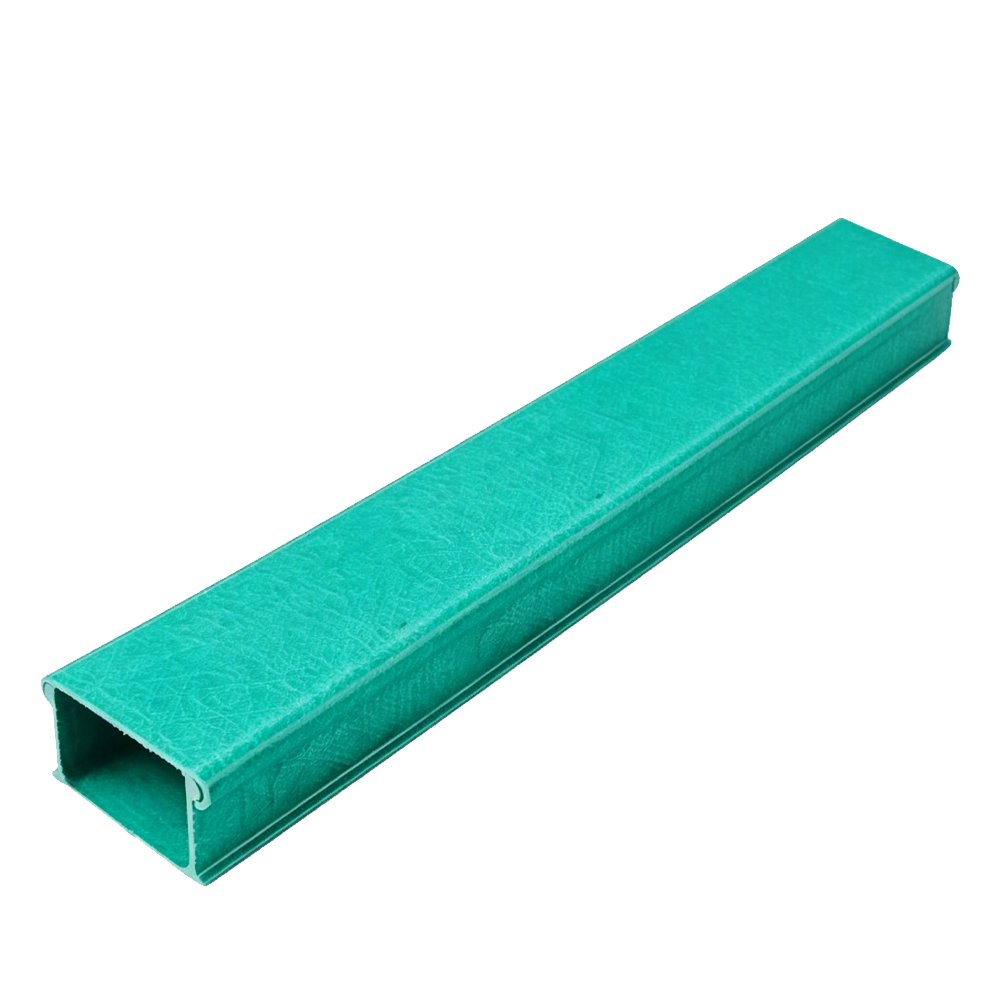
FRP Cable Tray / GRP Cable Tray
Learn More
-
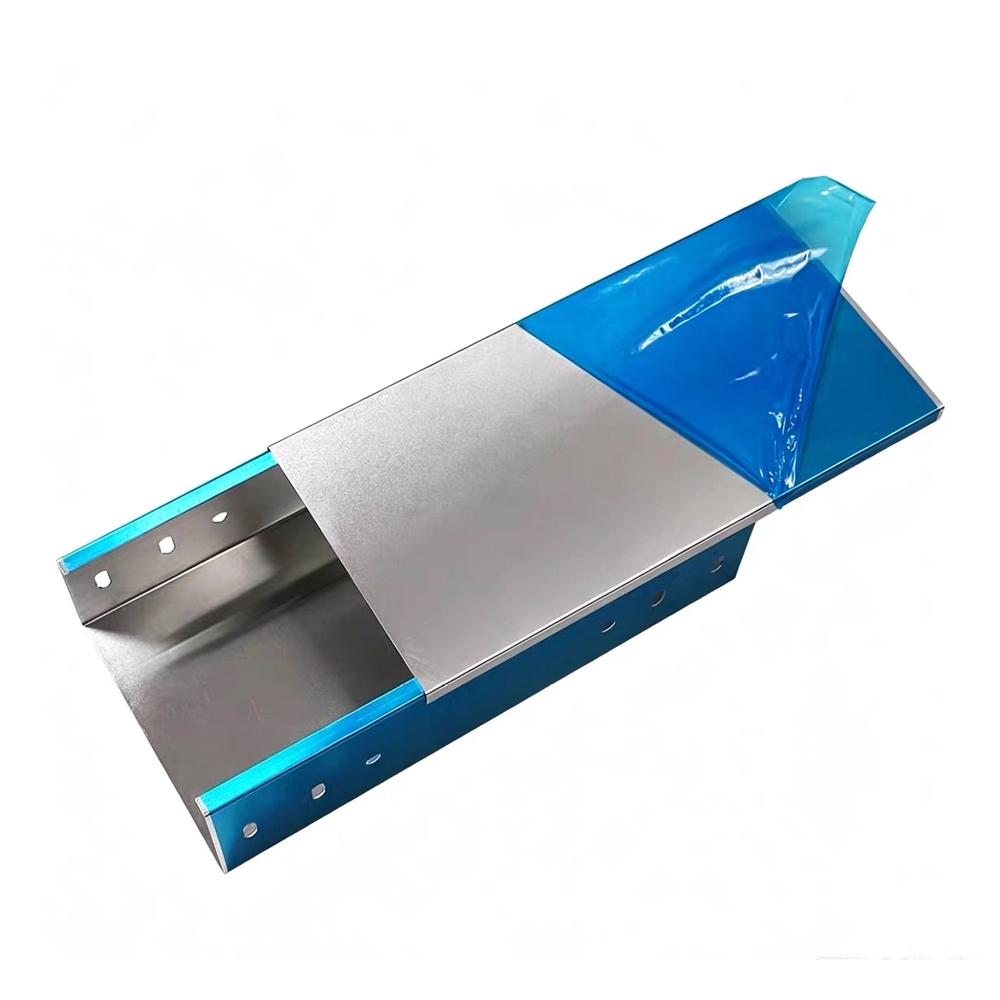
Aluminum Alloy Cable Tray
Learn More
-
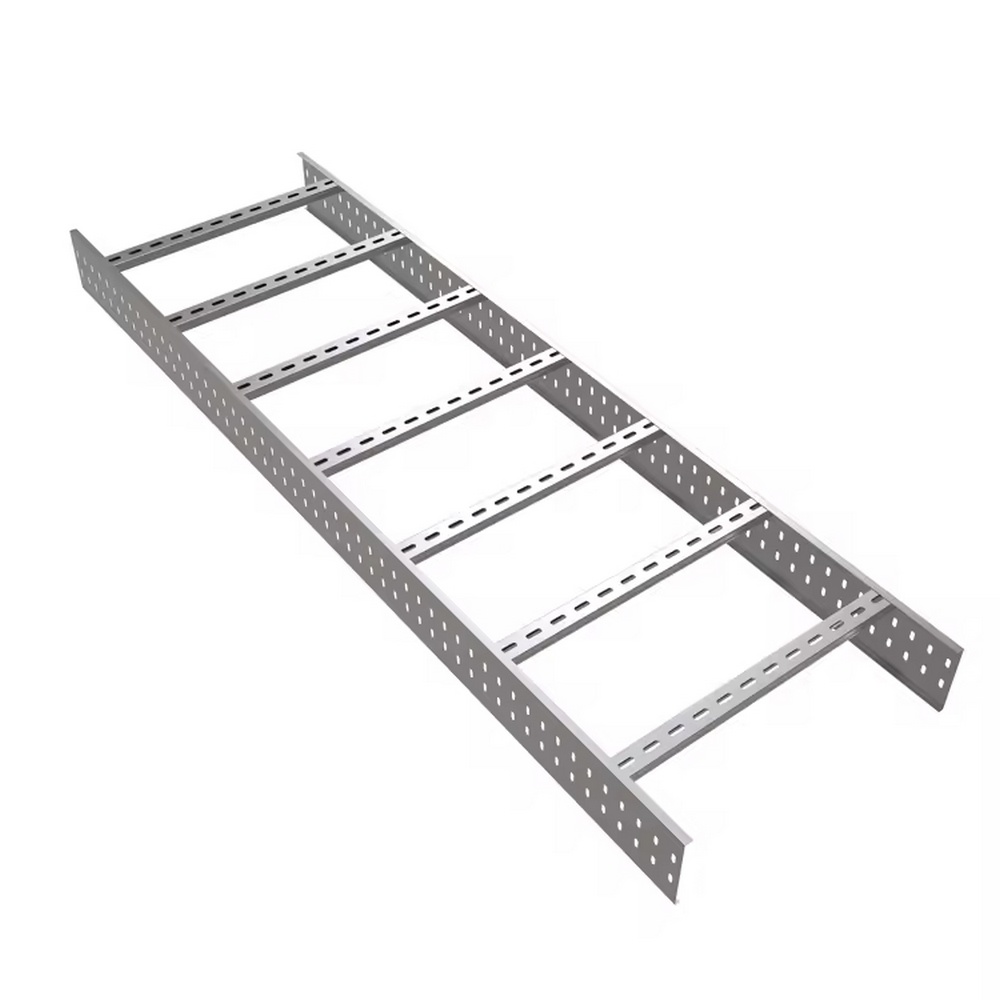
Hot-Dip Galvanized Cable Tray – Superior Corrosion Resistance
Learn More
-
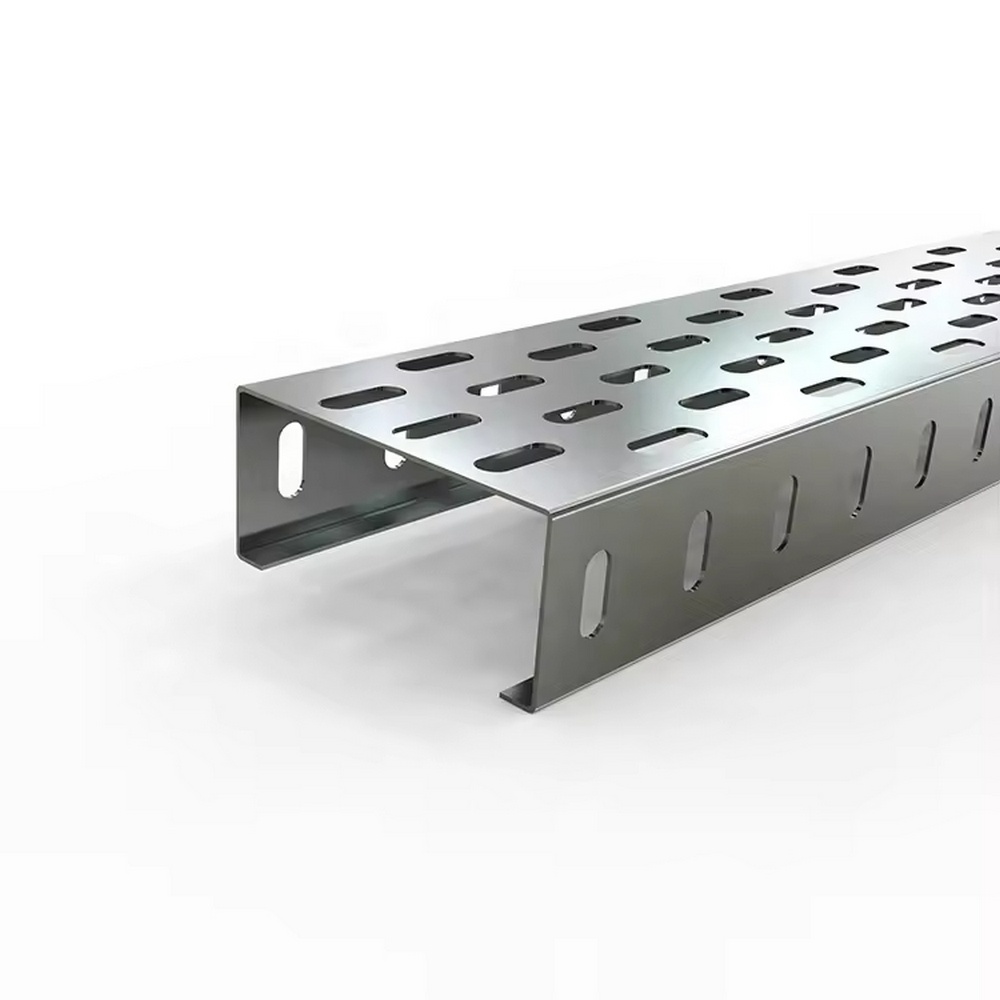
Tray-type perforated galvanized cable trays, powder-coated cable trays, trough-type …
Learn More
-
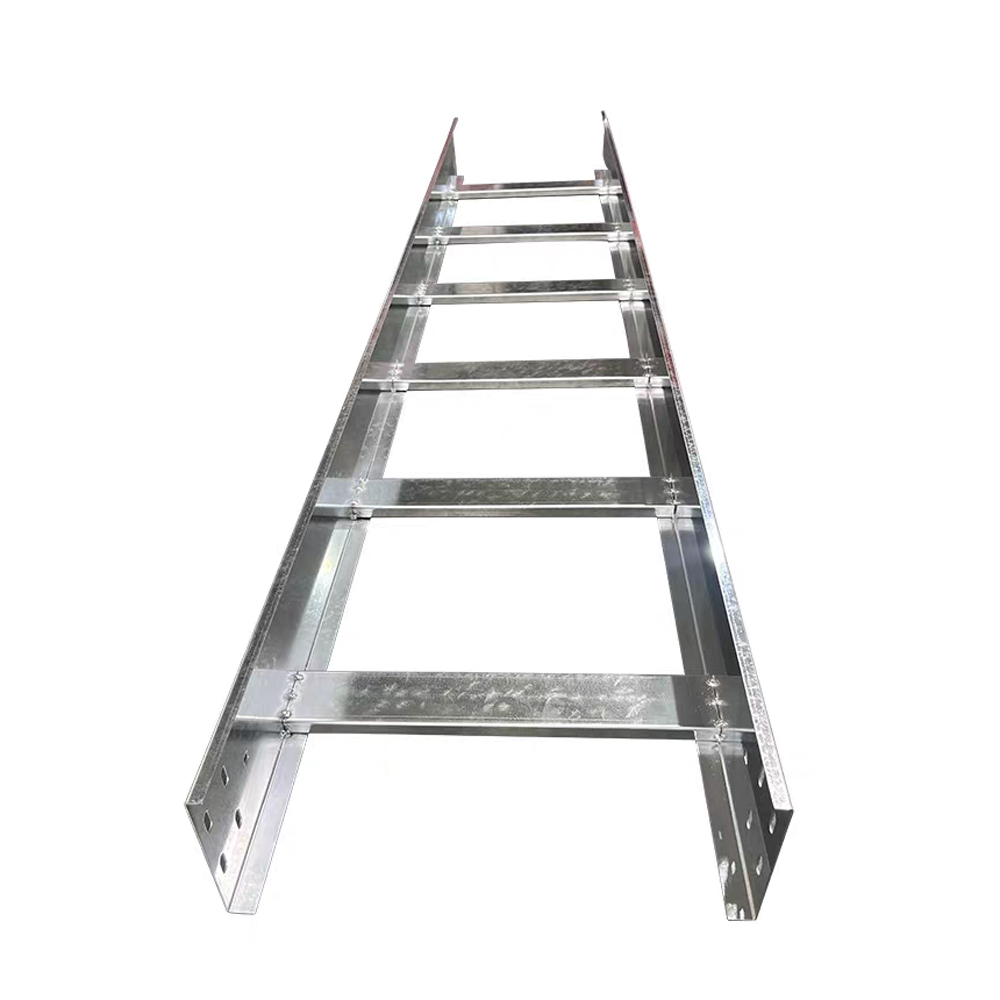
Ladder Type Cable Tray Stainless Steel Ladder Cable Tray Aluminum Alloy Cable Ladder Fire Resistant Ladder Cable Tray
Learn More
-
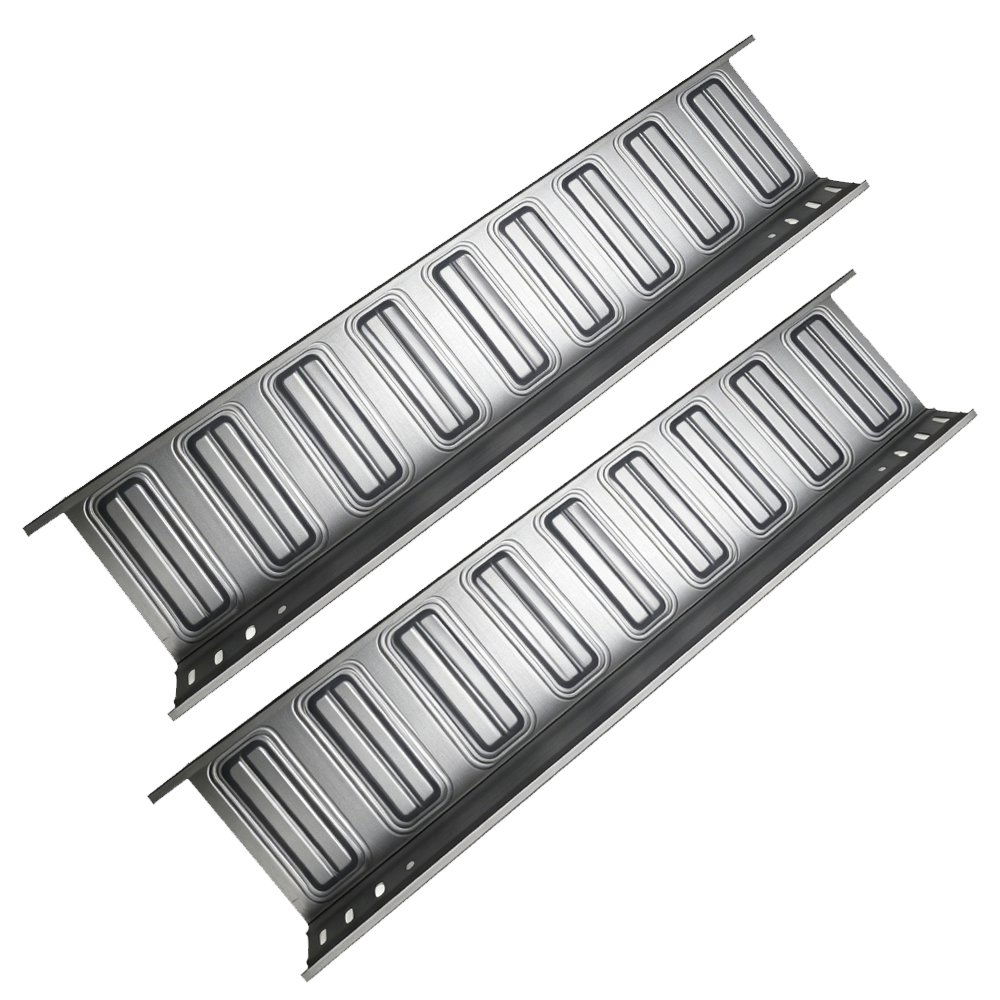
Corrugated Cable Tray / Energy-Saving Corrugated Cable Tray
Learn More
-
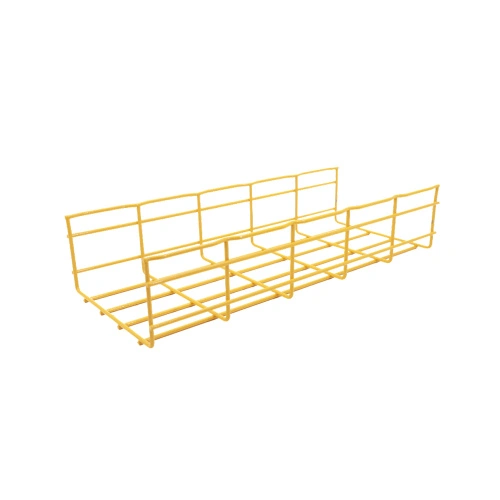
Wire Mesh Cable Tray / Basket Tray Snap Connector
Learn More
-
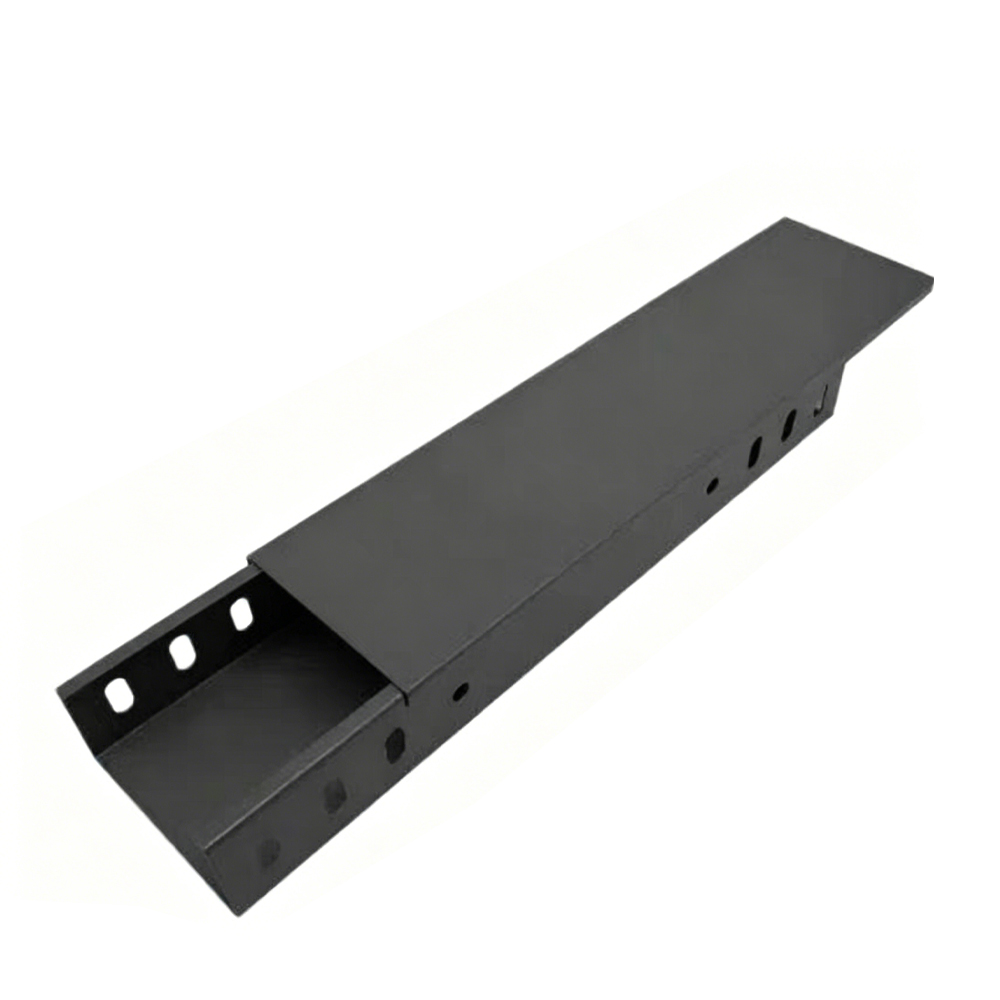
Fireproof cable tray manufacturer, galvanized cable tray, ladder type, hot-dip galvanized …
Learn More
Welcome To Contact Us
If you are interested in our products and want to know more details, please contact us or leave messace here
