


1. Product Overview
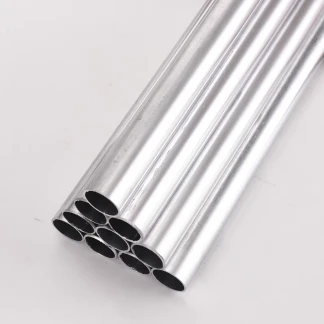
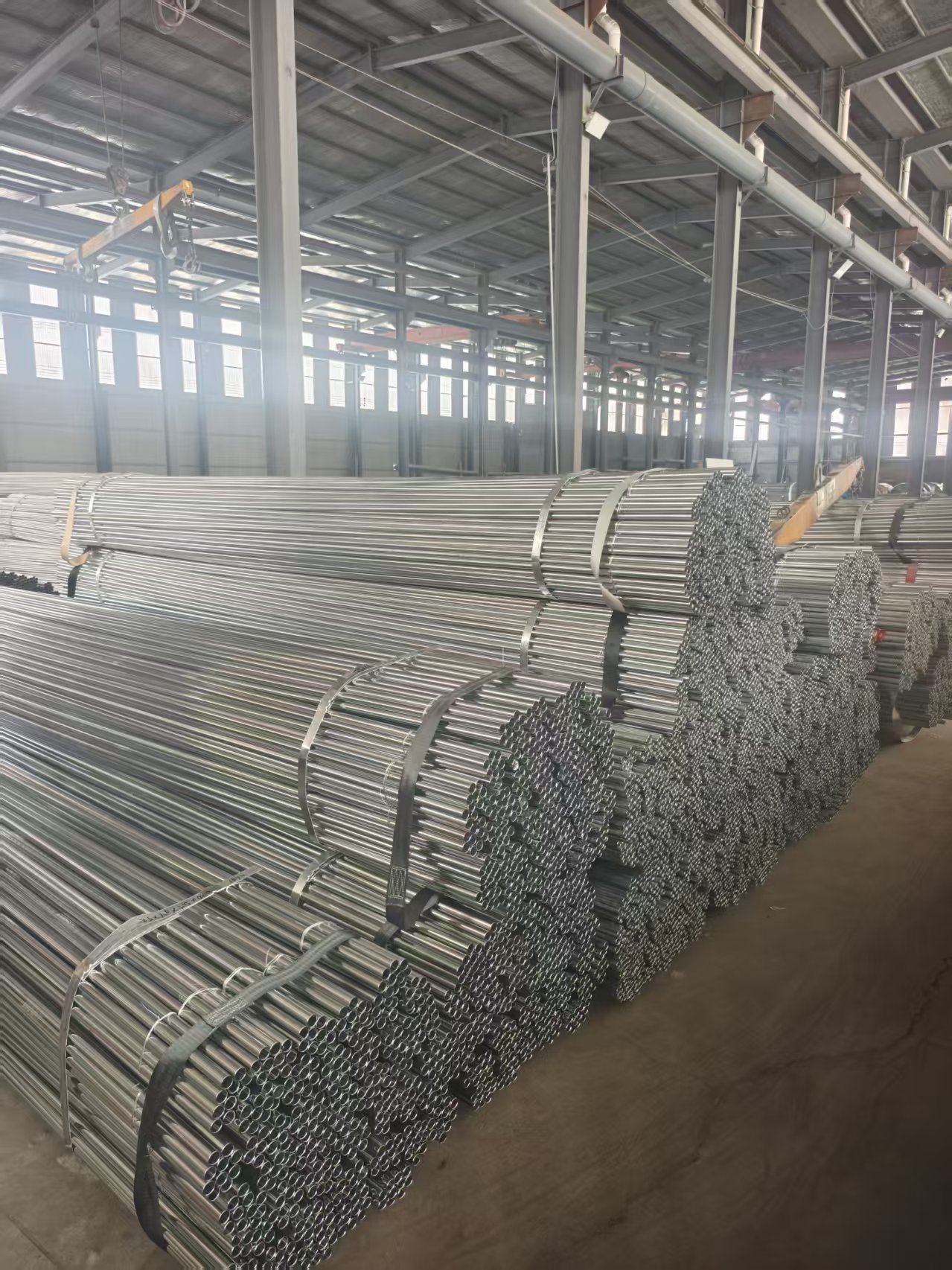
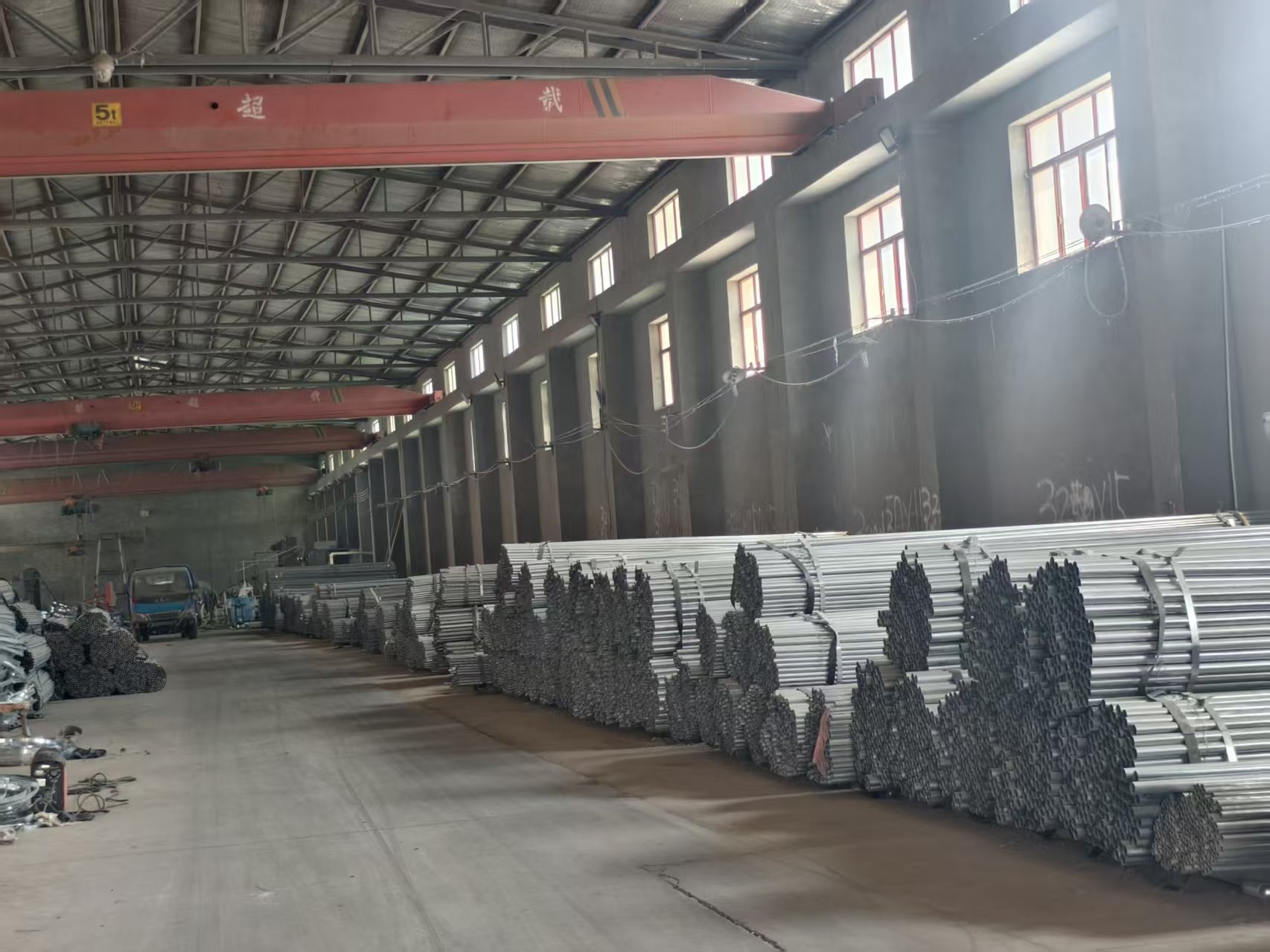
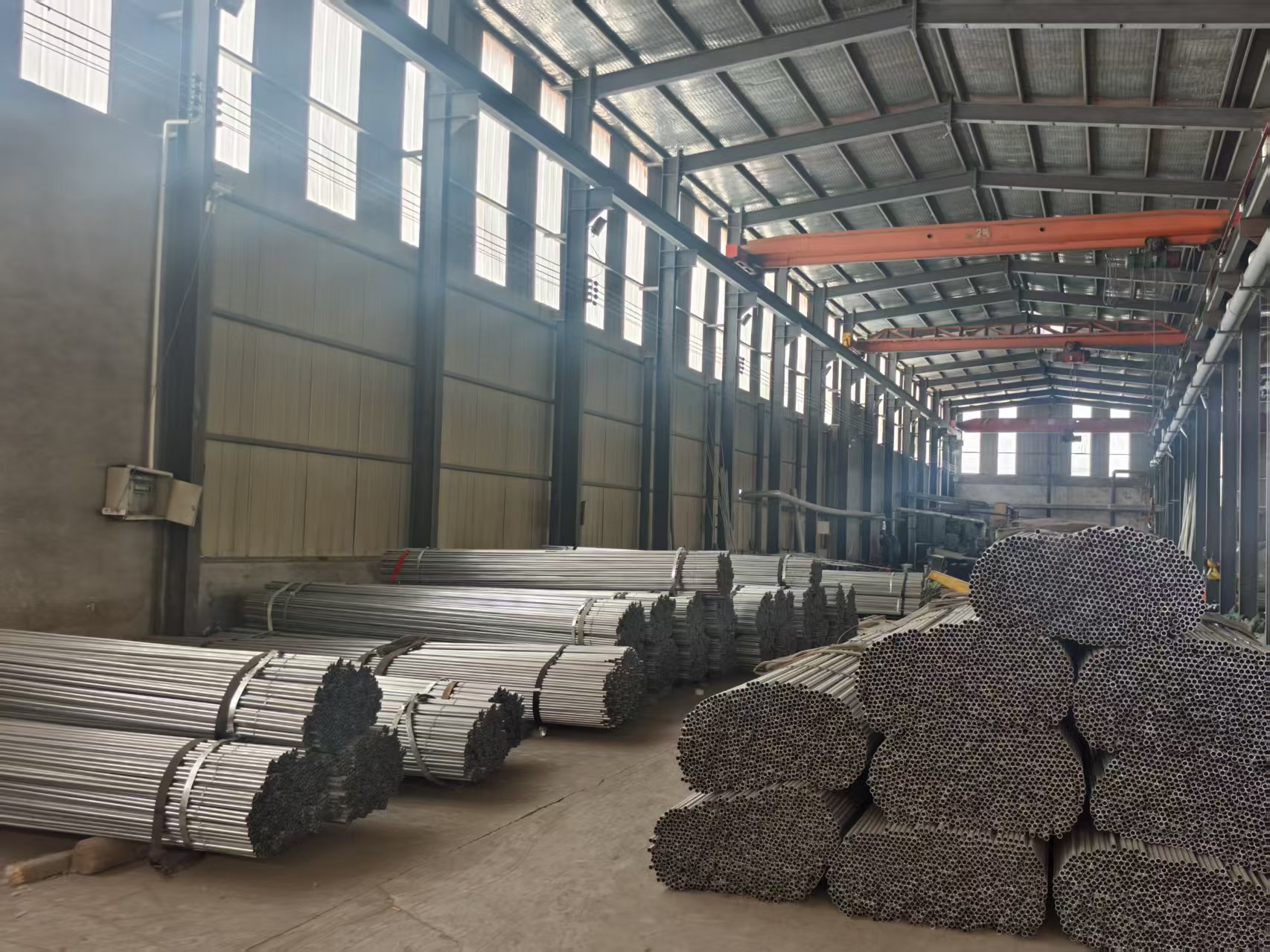
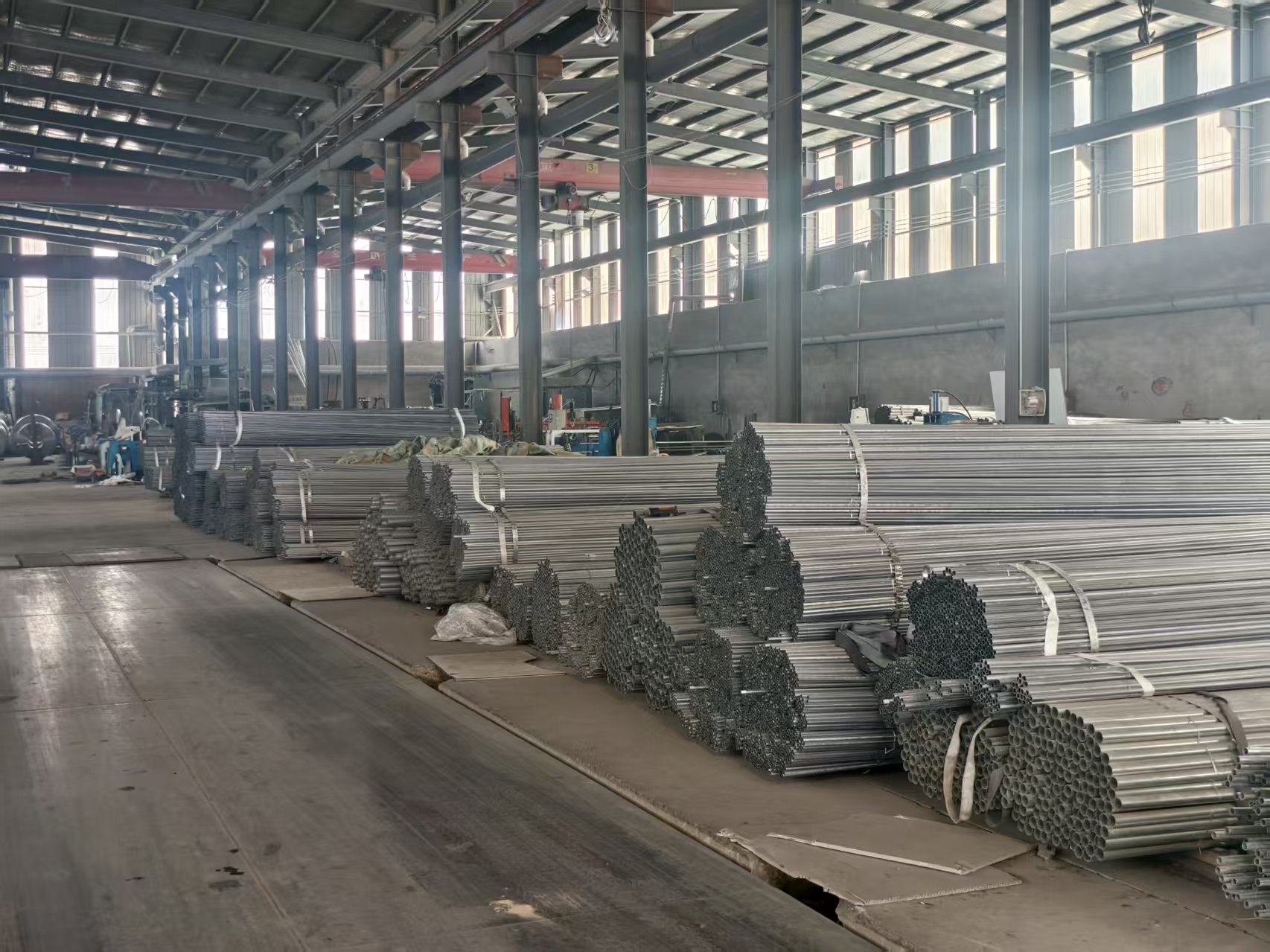
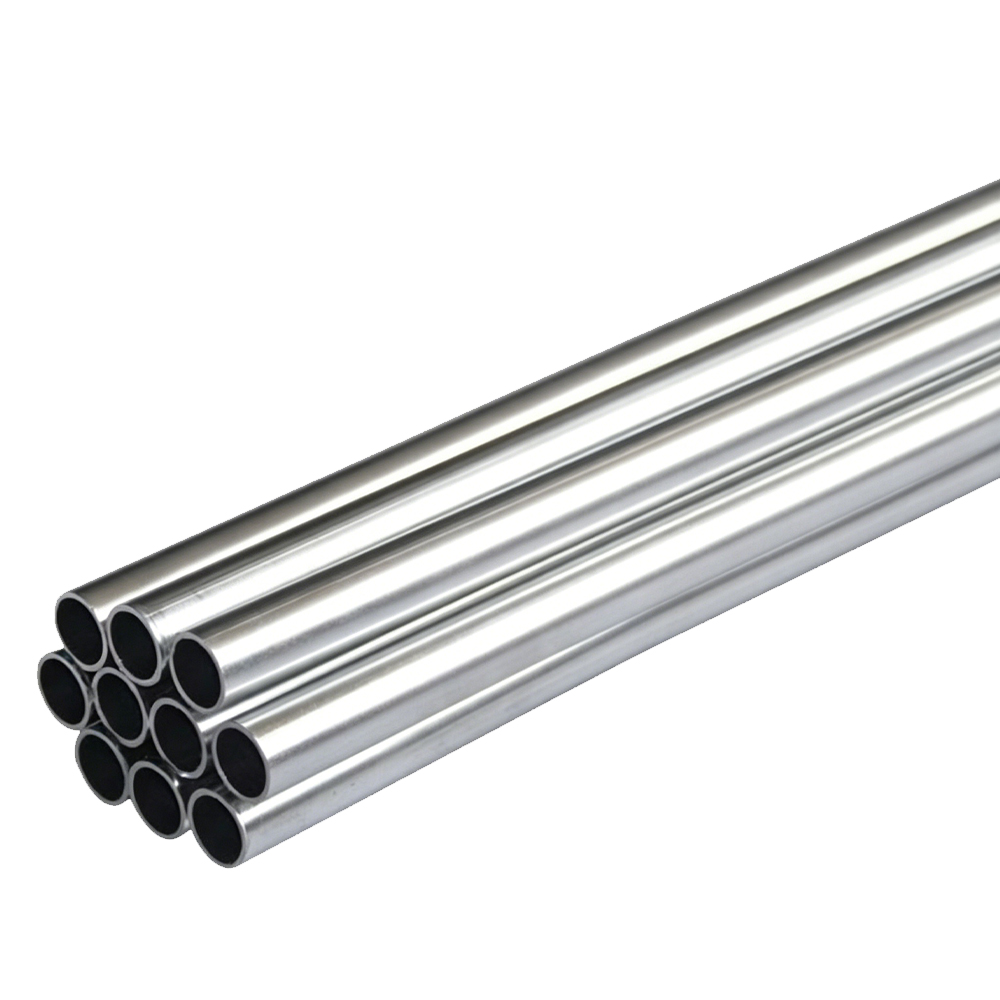
JDG Tight-Grip Galvanized Conduit, full name Tight-Lock Metal Conduit, is a dedicated cable protection pipe for building electrical engineering. It is integrally formed from high-quality cold-rolled steel strip with hot-dip galvanized coating. The pipe wall is smooth and burr-free. Connection is completed by locking screws without welding or threading. It is an upgraded substitute for traditional SC welded steel pipe and PVC conduit, widely used for power & weak current cable protection.
2. Structural & Process Features
1. Double-layer anti-corrosion hot-dip galvanizing
The inner and outer walls are fully hot-dip galvanized with strong coating adhesion, isolating moisture and acid-base substances to prevent rust, suitable for long-term use in humid basements and underground parking lots.
2. Weld-free tight-lock connection
Matched with couplings, elbows and box connectors, pipes are fastened by special locking screws. Continuous electrical conductivity is guaranteed for reliable earthing, and no open flame during construction to meet fire protection codes.
3. Thin-wall lightweight design
Lighter weight than thick-wall SC steel pipe, easy to cut, transport and pre-embed in ceilings to improve construction efficiency.
4. Smooth inner wall without burrs
Polished inner surface
Product Categories: JDG/KBG Conduit
JDG conduit, metal electrical conduit, KBG20 hot-dip galvanized conduit, iron …
Products Center
Contact Us
- Product Introduction
Features
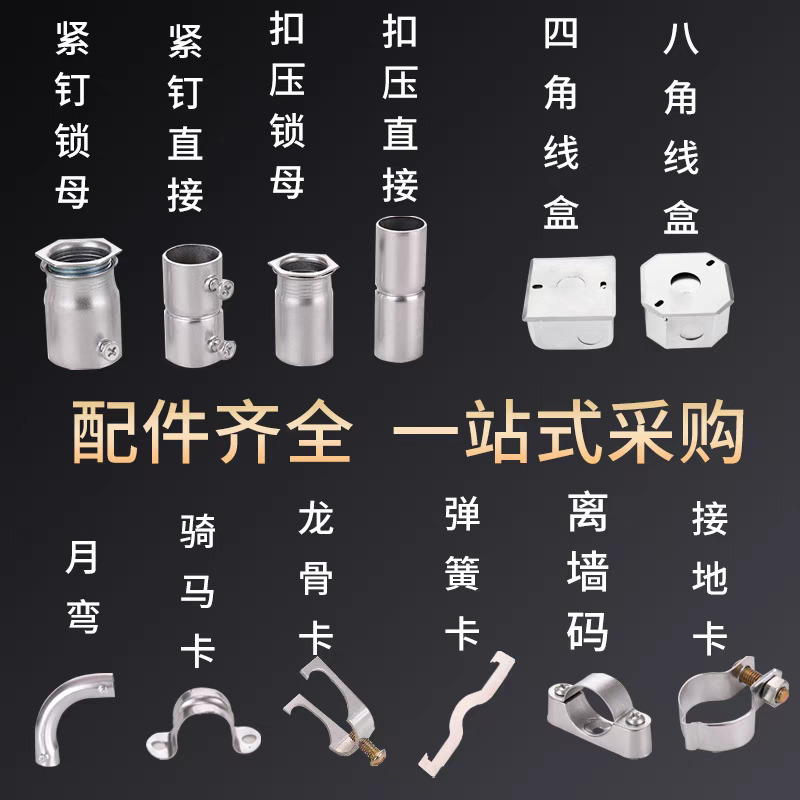
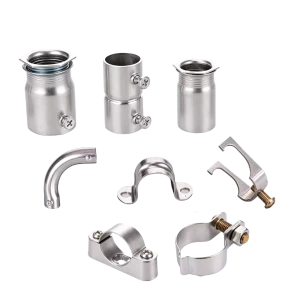
Straight coupling 直接接头
- 90° elbow
- Box connector
- Lock nut
- Locking screw
- Pipe clamp
Easy installation,
superior quality,
complete specifications,
original manufacturer,
multiple protections,
worry-free after-sales service.
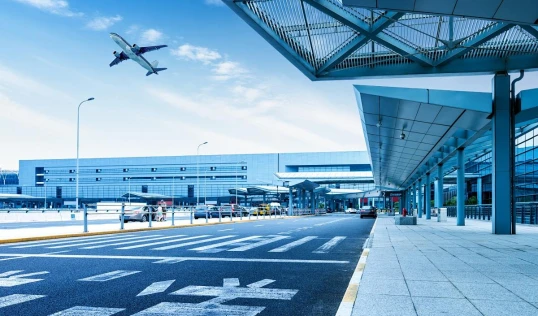
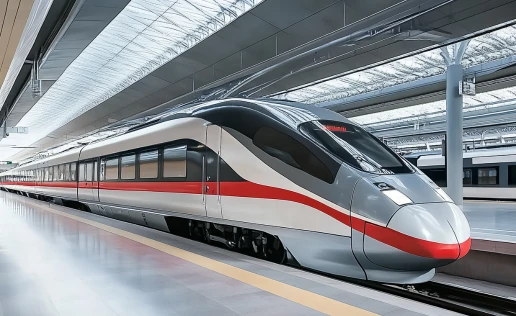
Multiple application scenarios

- Product Overview
Wire conduit, also known as cable protection conduit, is a basic pipe fitting supporting construction electrical systems. It is used for laying and protecting power & weak current cables indoor and outdoor, isolating wires from walls, concrete and humid media. It integrates flame retardancy, insulation, impact resistance, electromagnetic shielding and continuous grounding performance. Widely matched with cable trays, distribution boxes, machine rooms, fire-fighting systems, real estate, factories and municipal projects.
There are two main categories: metal conduits (JDG, KBG, SC hot-dip galvanized steel pipes) and PVC plastic conduits.
- Main Metal Conduit – JDG Screw-Fastened Galvanized Steel Conduit (Core Product)
Material & Manufacturing
Rolled integrally from high-quality cold-rolled steel strip, with internal and external hot-dip galvanized or electro-galvanized anti-corrosion coating. Smooth inner and outer walls without burrs to prevent damage to cable insulation.
National standard wall thickness: Φ16 ≥1.2mm; Φ20~Φ50 ≥1.6mm.
Connection Structure
Socket screw-fastened design with special break-off set screws. Tighten until the screw neck snaps off to form full metal electrical continuity. Welding and additional grounding jumpers are not required for fast installation.
Key Advantages
1. Flame retardant & non-combustible metal, mandatory for fire compartments, ceilings and equipment rooms to meet fire codes.
2. Stable equipotential continuity through full metal connection, high safety against electric leakage.
3. High compression & impact resistance, no flattening during concrete pouring and no cracking after bending.
4. Excellent anti-corrosion performance for hot-dip galvanized version, suitable for basements, kitchens, bathrooms and outdoor areas.
5. Easy construction: complete metal fittings including elbows, couplings, box connectors and locknuts; support cold bending, laser cutting and customized length cutting.
Application Scenarios
Shopping malls, office buildings, industrial plants, fire power & weak current circuits, cable tray outlets, civil air defense projects, basements, high-temperature machine rooms, humid indoor & outdoor projects.
- KBG Crimped Galvanized Conduit
Thin-wall cold-rolled galvanized pipe: wall thickness 1.0mm for Φ16/20, 1.2mm for larger sizes. Sealed by special crimping pliers with lower cost.
Advantages: lightweight and economical, ideal for concealed wall wiring in residential buildings and ordinary weak current systems.
Limitations: thin wall leads to poor compression resistance and unstable grounding. Not recommended for fire-fighting, heavy-load or underground buried projects.
- SC Welded Heavy-Wall Hot-Dip Galvanized Steel Pipe
Heavy-wall pipe with wall thickness ≥2.0mm, connected by threaded joints or welding with mandatory cross-ground jumpers. Extremely high mechanical strength and corrosion resistance.
Mandatory applications: civil air defense engineering, deeply buried pipelines, main fire-fighting circuits and heavy-duty equipment rooms.
- PVC Flame-Retardant Conduit
Extruded flame-retardant PVC plastic, featuring good insulation, light weight and low cost. Only applicable to concealed wall wiring in ordinary residential buildings.
Restrictions: prohibited for fire circuits, enclosed ceiling spaces, high-temperature, humid and civil air defense areas; no shielding or fireproof capacity.
- Complete Supporting Fittings
Straight couplings, 90° elbows, tees, box connectors, locknuts, plastic cable bushings, break-off set screws, grounding clips and waterproof gaskets. All galvanized metal fittings guarantee integral grounding continuity.
- Executed Standards
T/CECS120-2021 Code for Construction and Acceptance of Screw-Fastened Galvanized Steel Conduit Wiring Piping, GB50303 Code for Construction Quality Acceptance of Building Electrical Engineering. CE certification, material inspection reports and salt spray test reports are available for export orders.
- Procurement & Selection Guide
1. Commercial construction, fire-fighting, cable tray matching and humid outdoor environments: select national standard hot-dip galvanized JDG conduit first.
2. Household ordinary weak current wiring: KBG or PVC conduit.
3. Civil air defense, deep underground burial and main fire-fighting circuits: SC heavy-wall steel pipe.
4. Plastic joints are forbidden to match metal conduits, as they break grounding continuity and cause inspection failure.
Parameters
FAQS
-
How to distinguish JDG, KBG and SC conduits, and how to select them?
1. JDG screw-fastened conduit Wall thickness: Φ16 ≥1.2mm; Φ20/25/32/40/50 ≥1.6mm. Connected by tightening break-off set screws. Welding and cross-ground jumpers are not required. High structural strength with stable continuous grounding. Ideal for power circuits in shopping malls, office buildings, factories, exposed ceiling wiring, fire-fighting weak current, and cable bridge matching. 2. KBG crimped conduit Wall thickness: Φ16/20 ≥1.0mm; Φ25 and above ≥1.2mm. Permanent crimp joint via special pliers. Thinner wall, mainly used for residential wiring and ordinary concealed weak current circuits. 3. SC welded heavy-wall conduit Wall thickness ≥2.0mm. Connected by threaded joints or welding with mandatory cross-ground jumpers. Compulsory for civil air defense areas, basement buried wiring, main fire-fighting circuits and heavy-load zones. Selection guide: Choose JDG for commercial power and exposed fire-fighting wiring; KBG for household weak current; SC for civil air defense, underground burial and basements. Q3: Can JDG replace PVC conduits? Where PVC is prohibited? A: Yes, JDG can replace PVC. PVC pipes are strictly forbidden for fire circuits, enclosed ceiling spaces, electrical shafts, humid kitchens/bathrooms, civil air defense areas and high-temperature machine rooms — metal JDG/SC must be adopted instead. PVC is only suitable for concealed wall wiring in ordinary residences with poor fire resistance, shielding and impact resistance. Q4: What is the difference between electro-galvanized and hot-dip galvanized JDG conduits?
-
What is the standard wall thickness of national standard JDG? What risks do non-standard thin conduits bring?
National standard wall thickness: Φ16 ≥1.2mm; Φ20/25/32/40/50 ≥1.6mm. Non-standard conduits usually have only 1.0/1.2mm walls: low compression resistance, easy flattening during concrete pouring, cracking when bent, discontinuous grounding, direct failure in fire inspection, and hidden dangers of electric leakage and fire hazards.
-
What determines the current carrying capacity of a fire-resistant busbar?
With the continuous increase in electrical load, busbar trunking has largely replaced cables in recent years. However, some designers and supervisors have discovered that the temperature limit in key technical parameters of busbar trunking has increased, which could pose a safety hazard...
-
How to quickly identify national standard vs non-standard JDG on site?
Measure wall thickness with a caliper; below standard thickness means non-compliant. 2. Clear printing of manufacturer, size and standard code on pipe body; pipes without marking are mostly non-standard. 3. Uniform zinc coating without missing plating or peeling; tight fit between pipe and fittings without loose clearance. 4. Break-off neck on set screws; ordinary screws used as substitutes are unqualified accessories.
-
What regular sizes are in stock? How to control the maximum number of wires inside one conduit?
Common sizes: Φ16, Φ20, Φ25, Φ32, Φ40, Φ50. The total cross-sectional area of internal wires shall not exceed 40% of the conduit inner diameter. Example: Max 4 pieces of 2.5mm² copper wires inside Φ20 conduit. Overcrowded wires cause poor heat dissipation and overheating risks.
-
What matching fittings are required for JDG procurement? Can plastic joints be mixed?
Straight connectors, 90° elbows, couplings, tees, box connectors, locknuts, break-off set screws, plastic cable bushings. Plastic joints are strictly prohibited: They cut off metal grounding continuity, leading to excessive grounding resistance, failed fire inspection and electric shock/fire risks. All fittings must be galvanized metal matching the pipe material.
-
Most frequent non-compliance items during project acceptance
1. Non-standard thin-wall pipes without product certificates and test reports 2. Unbroken set screws or replacement with ordinary screws 3. Mixed plastic joints, missing cable bushings or burrs at pipe ends 4. Insufficient bending radius, flattened or cracked conduits 5. Excessive fixing spacing without extra clamps near elbows 6. Shared conduits for power and weak current; no fire stopping at fire barrier penetrations 7. Severe missing plating, peeling and rust on galvanized surfaces
-
tandard construction for connecting JDG to cable bridges?
Drill matching holes on bridge side panels for box connectors and locknuts; fasten locknuts with inner and outer gaskets, and fit cable bushings at pipe ends. Connect bridge frames and JDG metal piping with copper braided jumpers to realize equipotential bonding.
Welcome To Contact Us
If you are interested in our products and want to know more details, please contact us or leave messace here
