


1. Product Overview
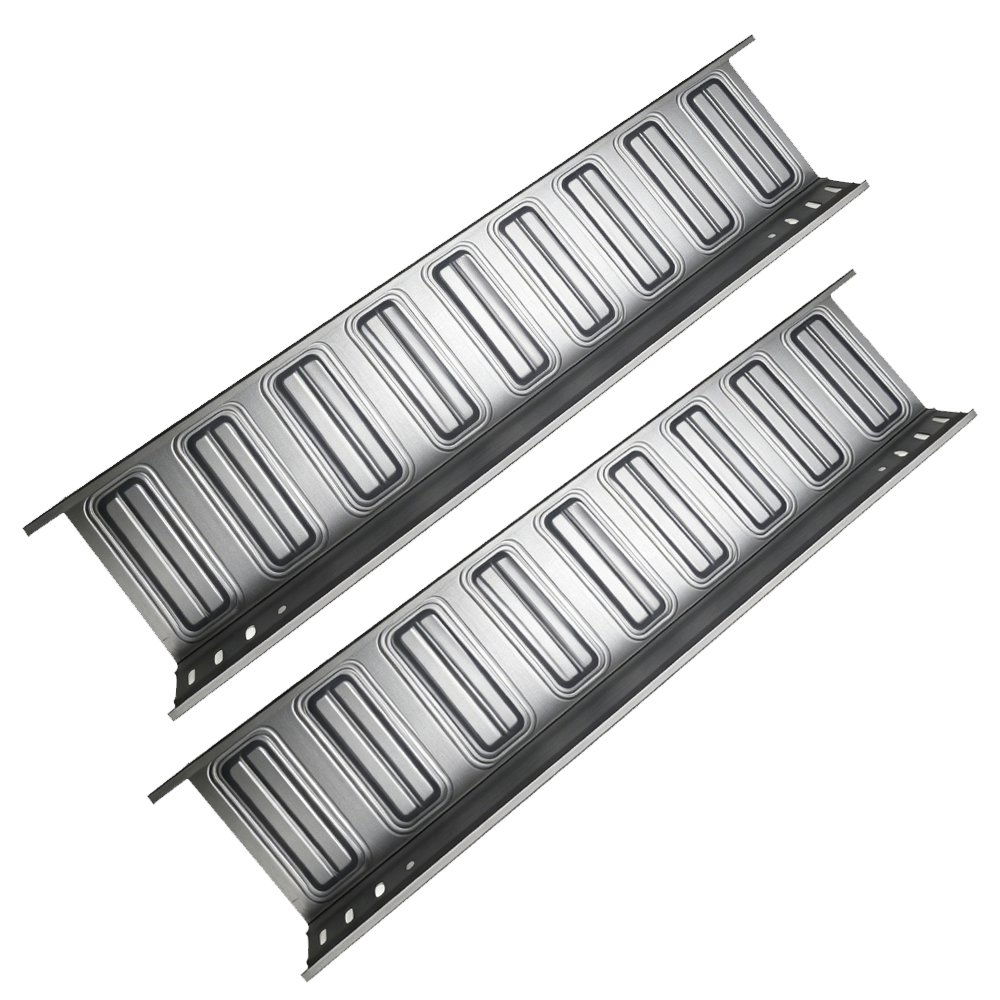
Corrugated Cable Tray, also known as energy-saving ripple cable tray, is a lightweight energy-saving cable support complying with national standards. Its base and side panels are rolled into continuous concave-convex corrugated reinforcing ribs. The ripple mechanical structure greatly improves structural rigidity, realizing high load capacity and long unsupported span without thick steel plates. It is an upgraded energy-saving substitute for traditional flat solid/perforated trays, matched with full corrugated elbows, tees, splice plates and covers, widely used for power & weak current wiring in factories, photovoltaic stations, metro tunnels and commercial buildings.
2. Main Materials & Anti-Corrosion Finishes
1. Hot-Dip Galvanized Corrugated Tray
Integrally rolled from Q235 cold rolled steel, fully hot galvanized for excellent moisture resistance, cost-effective for factories, underground parking lots and outdoor PV projects.
2. Fire Retardant Powder Coated Corrugated Tray
Galvanized base coated with intumescent fire paint, fire resistance rating 0.5–2h, compliant with fire codes for power tunnels and fire circuits.
3. 304 / 316 Stainless Steel Corrugated Tray
One-piece stainless steel stamping with superior salt spray & acid resistance, for coastal docks, food plants and mild chemical workshops.
4. Al-Zn-Mg Corrugated Tray
High weather resistance against UV, rain and outdoor exposure, ideal for PV rooftops and cross-sea projects.
3. Core Structural Features
1. Reinforced corrugated mechanical design
Continuous ripple ribs on base and sides distribute cable load evenly, improving bending & deformation resistance by over 30% under identical plate thickness. Side corrugations prevent inward buckling or warping during construction, avoiding sagging during long-distance overhead installation.
2. Lightweight & material-saving energy-saving design
Structural reinforcement allows thinner steel gauge, cutting steel consumption by 30%~50% and self-weight by 30%~50%. Support spacing can extend to 2–4m to save brackets and installation labor cost.
3. Optimized convection heat dissipation
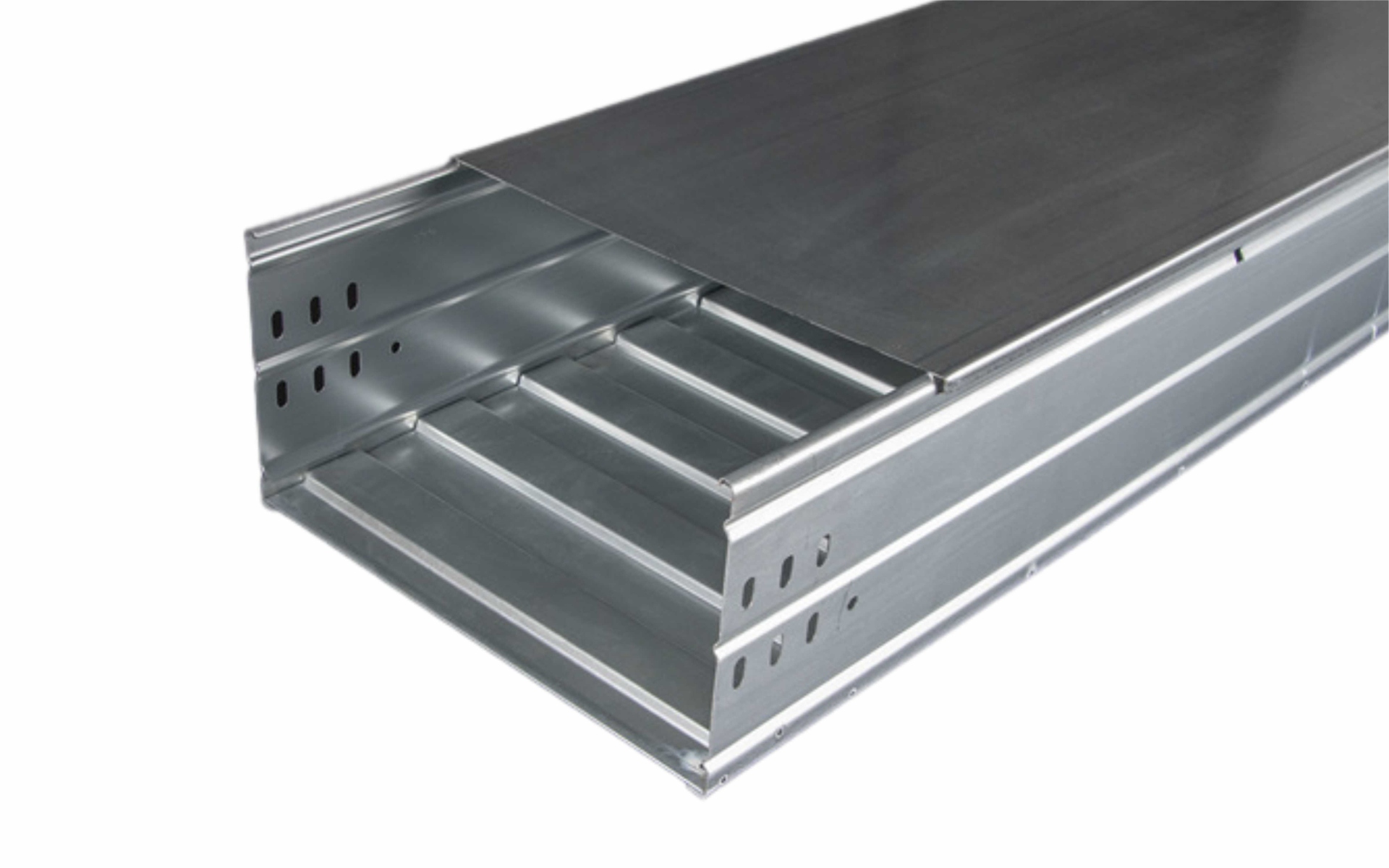
Concave-convex ripples form air flow gaps, combined with perforated base to rapidly dissipate cable heat, slowing insulation aging of high-current power cables.
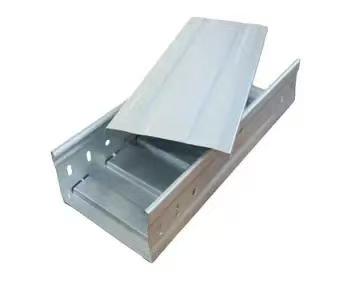
4. Fully enclosed solid channel with matching corrugated cover
Dust-proof, rodent-proof and anti-electromagnetic interference, suitable for power cables, control wires and optical fibers.
5. Full set of structurally matched corrugated fittings
Elbows, tees, reducers and splice plates all adopt corrugated reinforcement, ensuring uniform strength and anti-corrosion performance along the entire wiring route.
4. Core Product Advantages vs Traditional Flat Cable Tray
1. High rigidity & long unsupported span
Built-in ripple reinforcing ribs support single span 3–6m with less brackets, perfect for large factories and utility tunnels without ceiling; no permanent sag under heavy long-term cable load.
2. Lightweight to cut total project cost
Savings on raw material, transportation, support brackets and installation labor; lower structural load for ceilings and steel frames.
3. Superior heat dissipation to extend cable service life
Ripple air channels improve ventilation and reduce cable operating temperature & power loss.
4. Impact & collision resistant
Corrugated structure buffers external force, resisting denting and damage during transport and installation.
5. Durable anti-corrosion with low maintenance
Hot-dip galvanized/stainless steel substrate without water & dust accumulation dead corners, much slower rusting speed in humid & outdoor environments.
6. Eco-friendly energy-saving certified
Classified as energy-saving corrosion-resistant steel cable tray under GB/T 23639, preferred for large public buildings and new energy green construction projects.
5. Standard Specifications
Size (Width × Height mm): 100×50, 200×100, 300×100, 400×150, 600×200, 800×200
Available plate thickness: 0.8mm, 1.0mm, 1.2mm, 1.5mm (corrugation reinforcement eliminates need for heavy gauge steel)
Standard length: 4m per piece, custom wide/high size, long span and divider type available.
6. Application Range
Photovoltaic power station rooftops, large industrial workshops, metro tunnels, municipal underground utility tunnels, high-rise office buildings, data centers, underground parking lots, coastal ports, logistics warehouses, wind power projects, fire power distribution mains and green energy-saving buildings.
7. Matching Accessories
Corrugated splice plate, corrugated cover, 90° horizontal elbow, 45° elbow, vertical up/down elbow, horizontal tee, cross, reducer coupling, end cap, corrugated support bracket, threaded suspension rod, grounding jumper
Product Categories: Perforated Cable Tray
Corrugated Cable Tray / Energy-Saving Corrugated Cable Tray
Products Center
Contact Us
- Product Introduction
Corrugated Cable Tray / Energy-Saving Corrugated Cable Tray
Corrugated Base Energy-Saving Cable Tray
Fire Resistant Corrugated Cable Tray
Stainless Steel Corrugated Cable Tray
Corrugated Cable Tray Fittings


FAQS
-
How to choose among solid tray, ladder tray and perforated tray?
Choose solid tray for weak current, computer rooms, dusty/humid sites and anti-interference demands; ladder tray for thick cables, high-power power circuits and workshops prioritizing heat dissipation; perforated tray for general workshops, mixed strong/weak current laying and cost control.
-
Which surface treatment for indoor and outdoor use respectively?
Electro-galvanized / fire retardant coated for dry indoor; hot-dip galvanized for outdoor & damp underground; 304 stainless steel or FRP for coastal and corrosive chemical environments.
-
What is the difference between national standard and non-standard cable trays?
National standard products strictly comply with standards on wall thickness, dimension and load capacity, passing acceptance of government, real estate and large bidding projects. Non-standard ones adopt thinner plates or customized sizes at lower prices, only suitable for small renovation without formal bidding requirements.
-
How much space should be reserved for cables inside the tray?
According to industry codes, total cross-sectional area of cables shall not exceed 40% of the tray’s inner section to reserve space for heat dissipation and future cable expansion, avoiding overheating and short circuit.
Related Recommendations
We mainly provide high-quality special color sorters for sorting and grading applications across various industries.
-
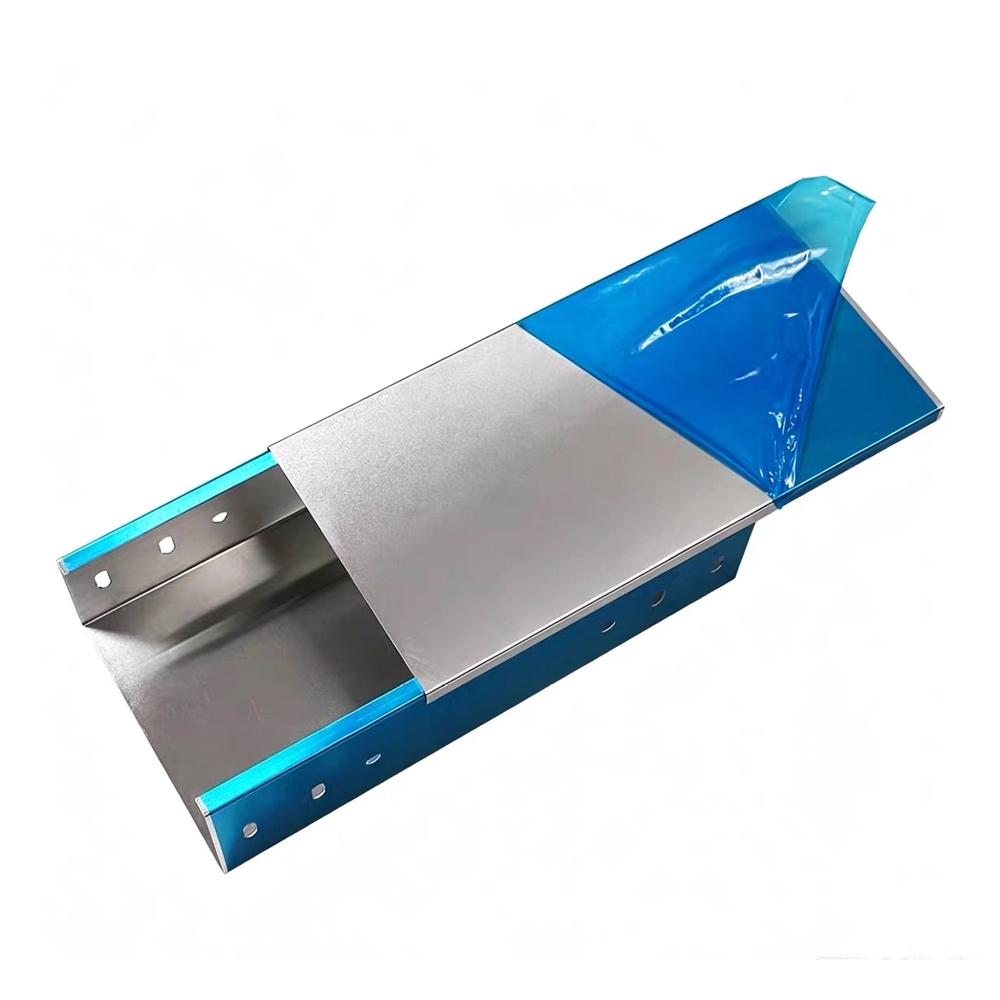
Aluminum Alloy Cable Tray
Learn More
-
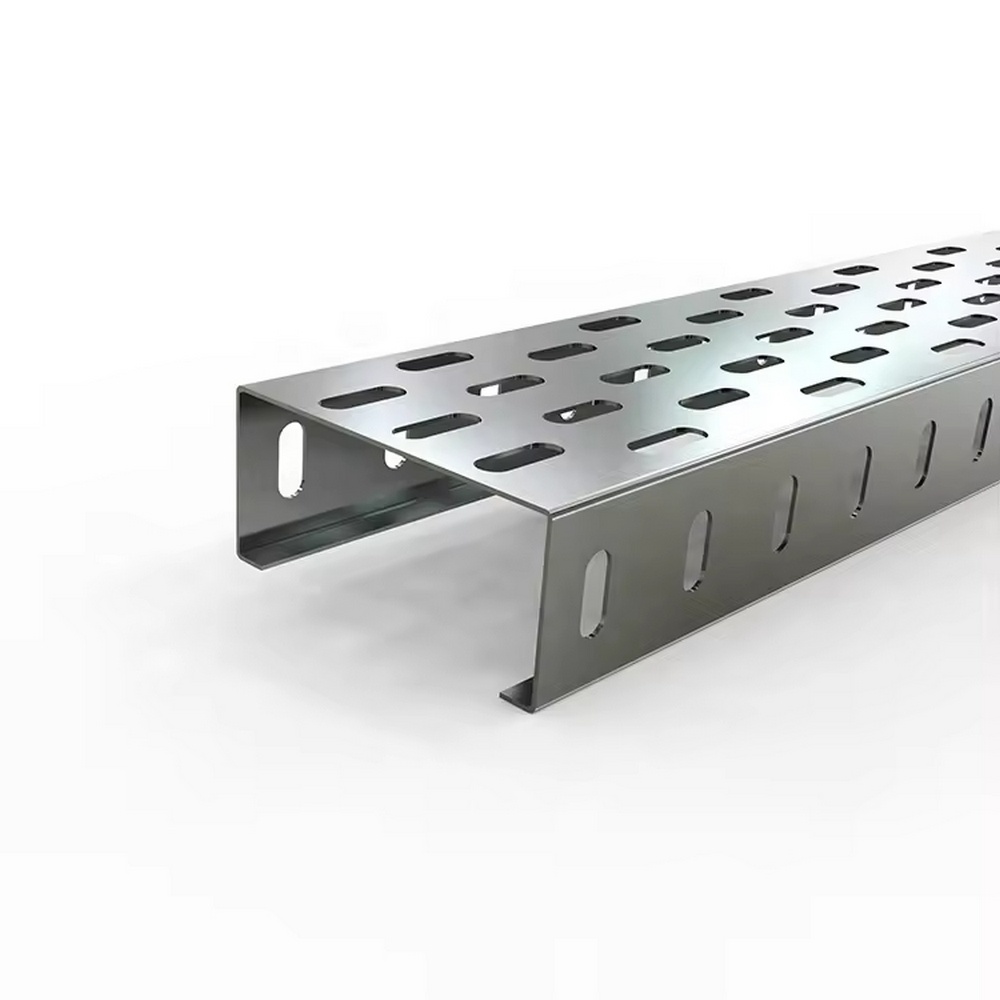
Tray-type perforated galvanized cable trays, powder-coated cable trays, trough-type …
Learn More
-
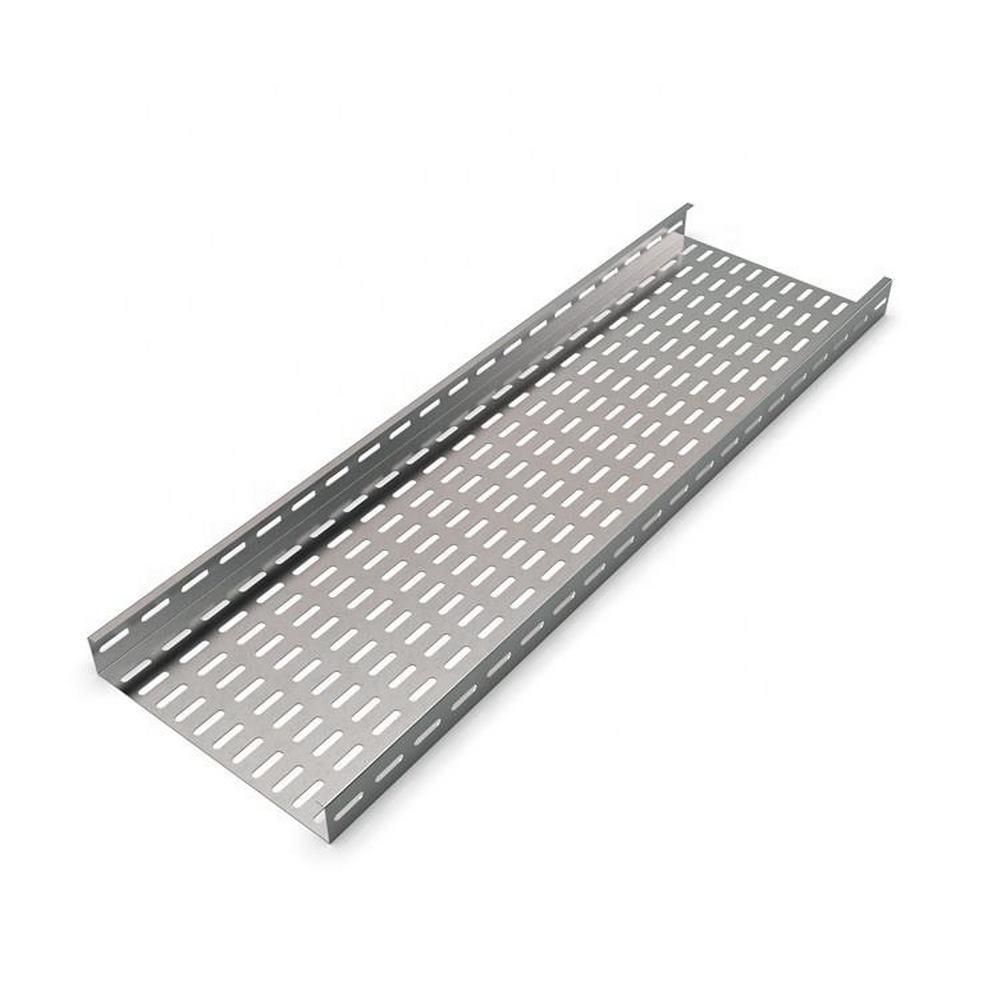
Galvanized Perforated Cable Tray – Ventilated Design for Efficient Heat Dissipation
Learn More
-
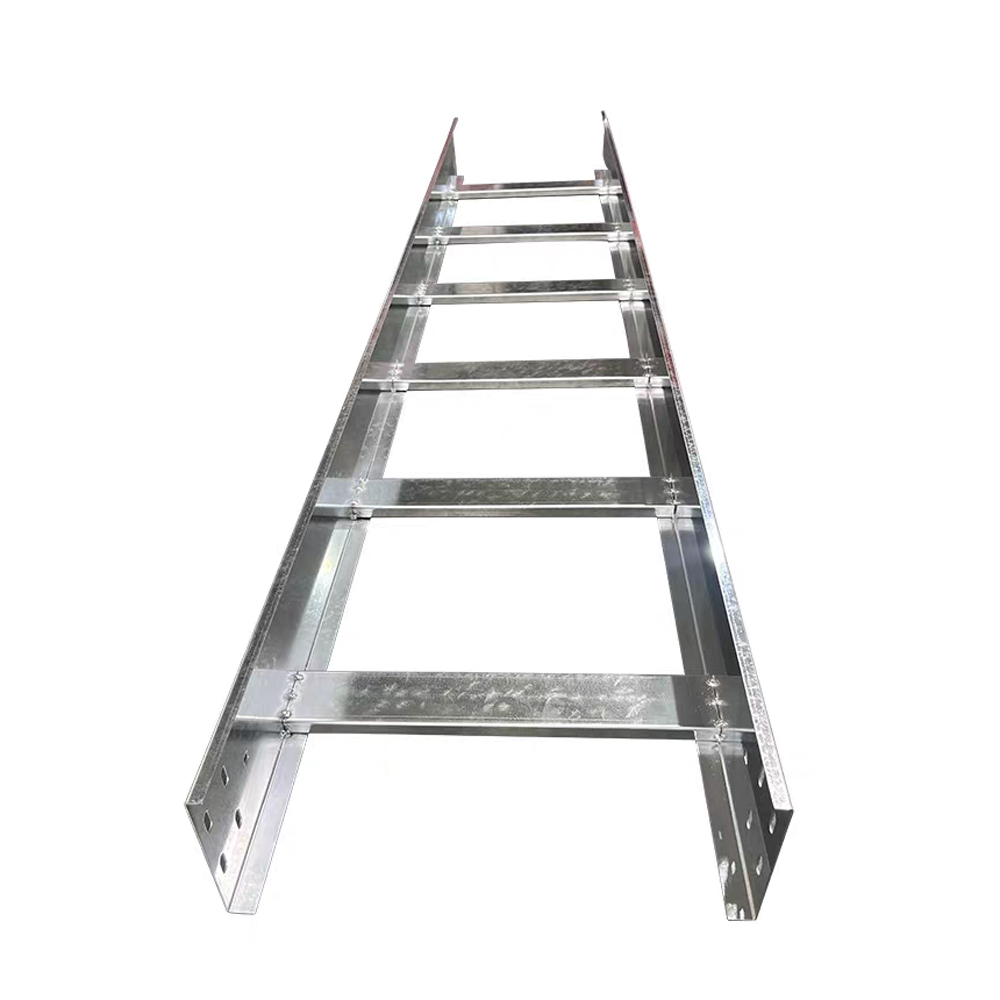
Ladder Type Cable Tray Stainless Steel Ladder Cable Tray Aluminum Alloy Cable Ladder Fire Resistant Ladder Cable Tray
Learn More
Welcome To Contact Us
If you are interested in our products and want to know more details, please contact us or leave messace here
