


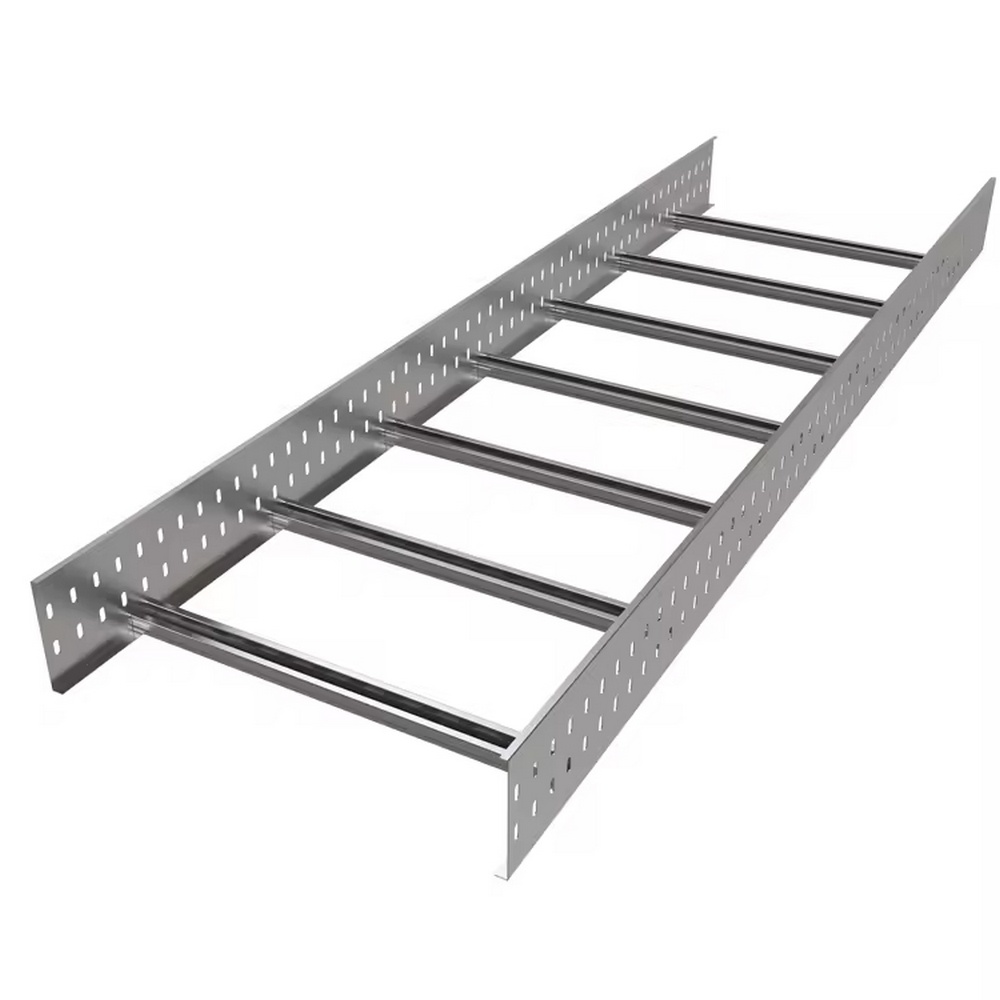
1. Product Overview
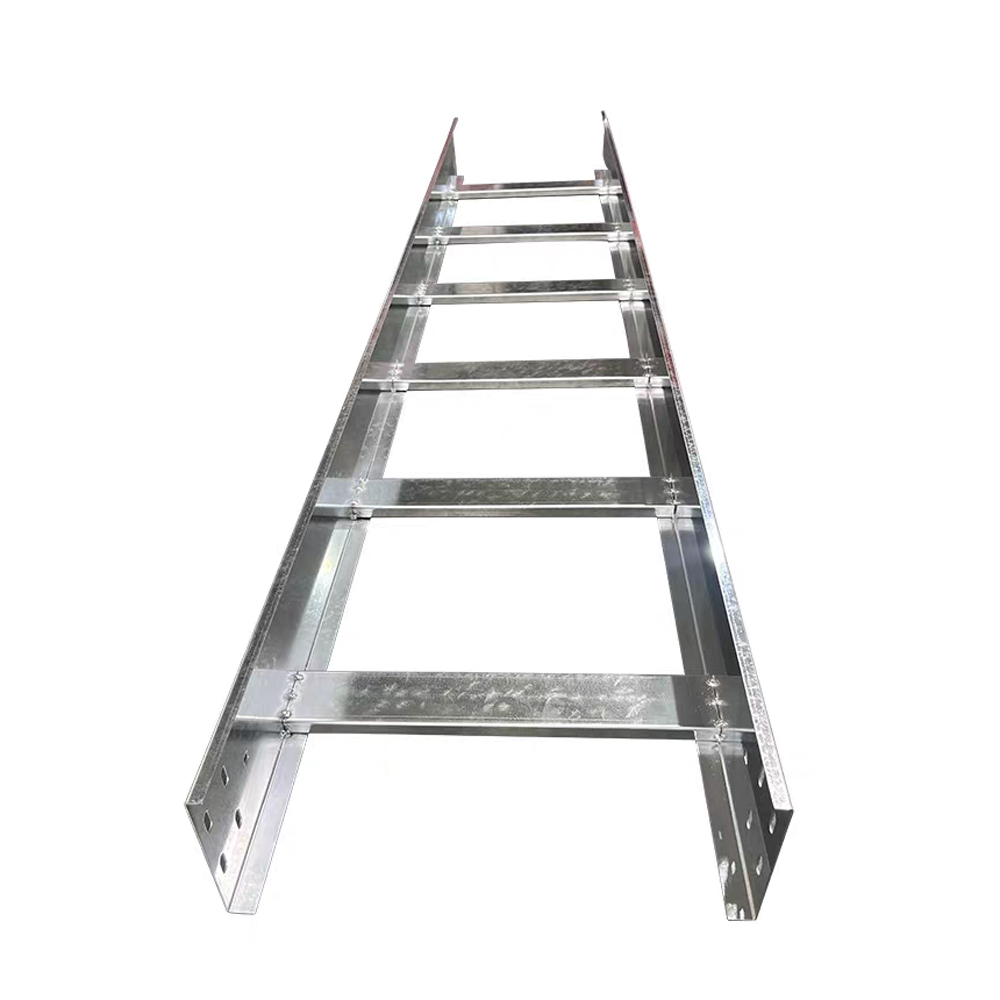
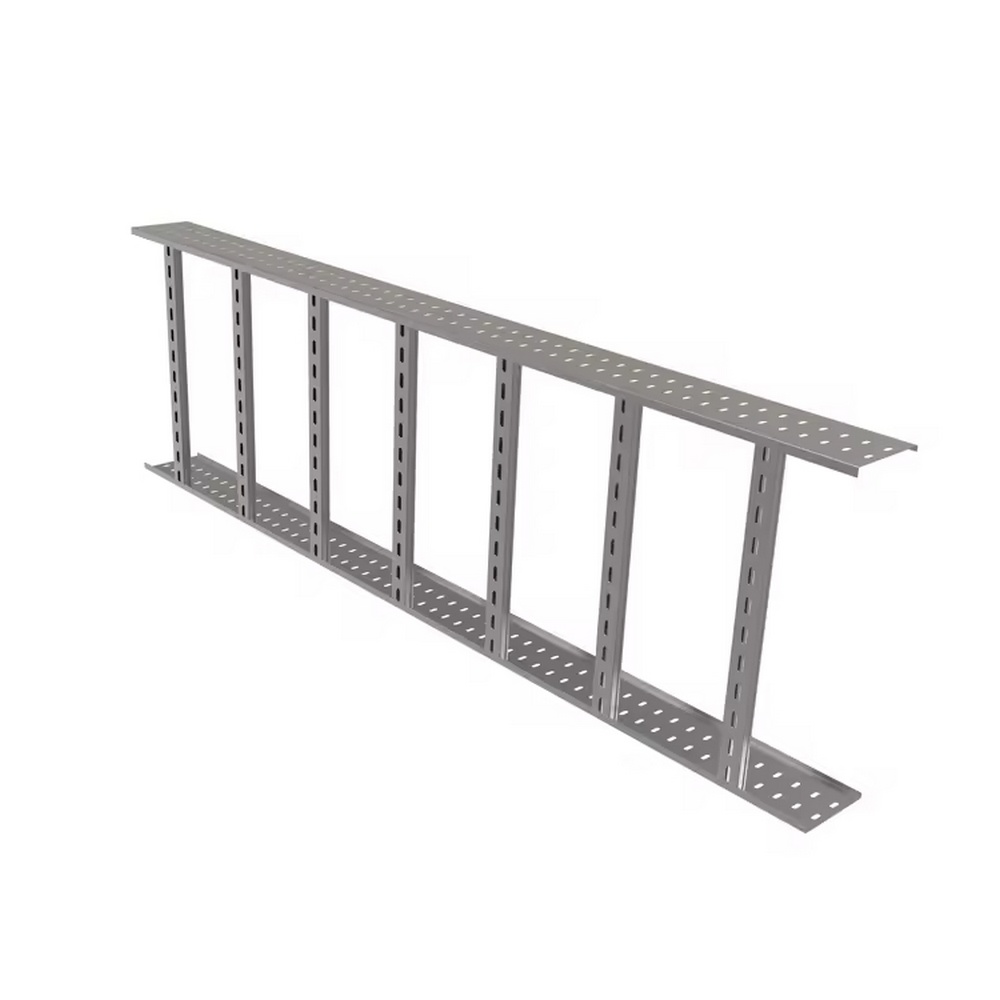
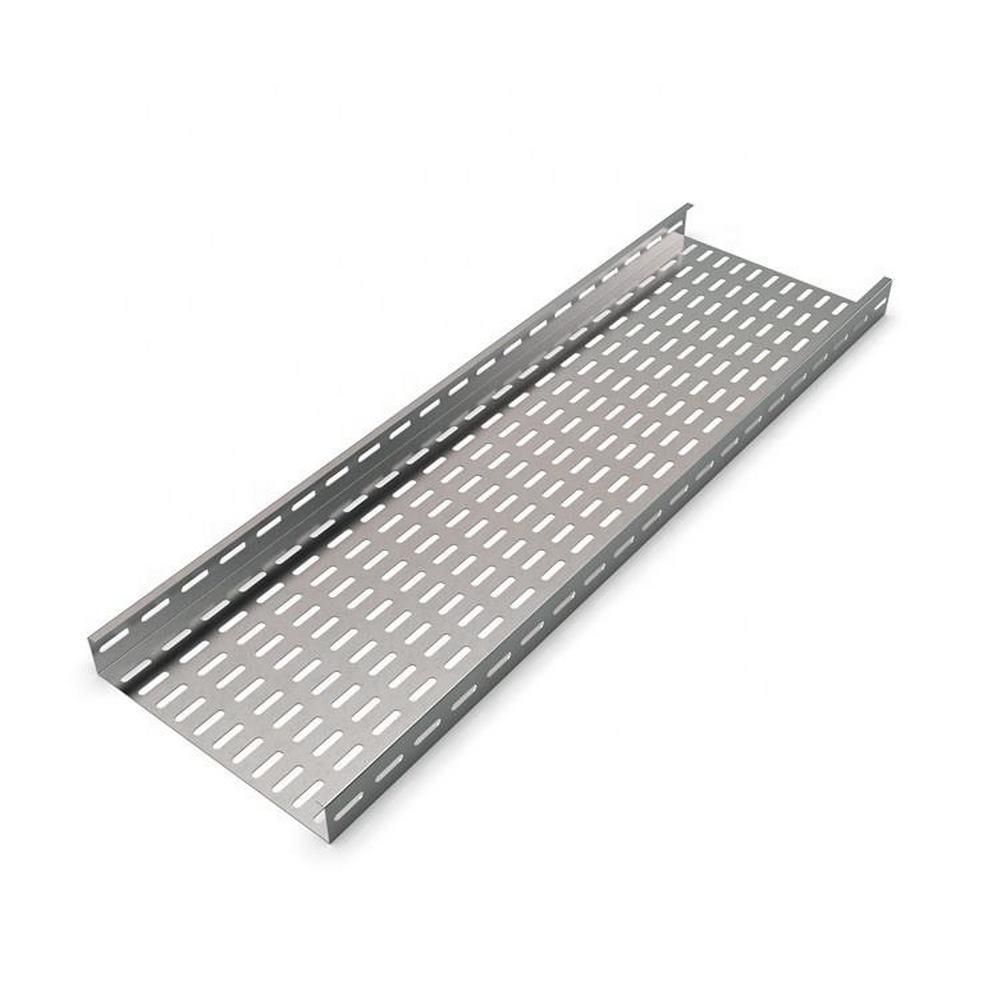
Ladder Type Cable Tray (also called Cable Ladder) is composed of two longitudinal side rails connected with evenly spaced transverse rungs, featuring an open ladder-shaped structure without solid base plate. It is the mainstream heavy-duty support for large-section high/low voltage power cables. Equipped with full modular fittings including elbows, tees, splice plates and supports, it is widely used for long-distance power cable routing.
2. Main Materials & Surface Treatments
1. Hot-dip Galvanized Ladder Tray
Made of Q235 carbon steel with full hot galvanizing coating. Cost-effective for ordinary factories, basements and dry outdoor environments.
2. Fire Resistant Powder Coated Ladder Tray
Steel substrate sprayed with intumescent fire retardant coating, fire resistance rating from 0.5h to 2h, complying with fire codes for power tunnels and fire circuits.
3. 304 / 316 Stainless Steel Ladder Tray
Natural anti-corrosion stainless steel with superior chloride & acid resistance, ideal for coastal docks, chemical plants, sewage treatment and offshore wind projects.
4. Aluminum Alloy Ladder Tray (6063-T5 / 5052 Marine Grade)
Only 1/3 weight of steel tray, self-passivation anti-rust and excellent heat dissipation. Preferred for high-rise buildings, photovoltaic stations, ships and lightweight overhead installations.
3. Core Structural Features
1. Fully open hollow rung design for maximum ventilation
Unobstructed air flow rapidly dissipates heat generated by heavy-current cables, effectively preventing insulation aging of high-voltage wires.
2. Light weight & lower material cost
No solid base plate saves raw materials; easy manual transportation and lifting to cut construction time.
3. Unobstructed maintenance & cable adjustment
Open top & bottom allows free adding, removing and inspection of cables without disassembling the whole tray, convenient for later capacity expansion.
4. Self-cleaning design against dust & water
Dust and rainwater fall directly through gaps, avoiding dirt & water accumulation to slow down corrosion in humid & dusty workshops.
5. High load-bearing capacity
Thickened side rails and evenly distributed rungs enhance bending resistance. Reinforced long-span type supports 3–6m unsupported span to reduce bracket quantity.
4. Product Advantages
1. Superior heat dissipation outperforms solid trough and perforated tray types, reducing power loss and extending cable service life.
2. Less raw material consumption lowers total cost of purchase and installation labor.
3. Self-draining & dust-free structure fits high-temperature, humid and dusty working conditions.
4. Stable load capacity for dense laying of large cross-section high-voltage power cables.
5. Complete modular fittings support horizontal, vertical, turning and reducing wiring in all scenarios.
5. Standard Specifications
Size (Width × Height mm): 100×50, 200×100, 300×100, 400×150, 600×200, 800×200
Standard wall thickness: 1.0–2.5mm; standard rung spacing: 200/300mm. Custom width, thickness and span length available on request.
6. Application Range
Power plants, substations, high-temperature smelting workshops, large industrial factories, municipal utility tunnels, photovoltaic & wind power stations, coastal docks, metro tunnels, commercial power shafts and light-corrosion chemical plants.
7. Matching Accessories
Splice plate, horizontal elbow, vertical elbow, tee joint, reducer, support bracket, upright post, grounding jumper, optional matching cover.
Product Categories: Perforated Cable Tray
Ladder Type Cable Tray Stainless Steel Ladder Cable Tray Aluminum Alloy Cable Ladder Fire Resistant Ladder Cable Tray
Products Center
Contact Us
- Product Introduction
English Version – Advantages of Ladder Cable Tray
1. Excellent heat dissipation
Open ladder structure maximizes air circulation around cables, effectively lowering temperature rise of heavy-load power cables, avoiding overheating and insulation aging. Ideal for high-current cables matched with bus ducts.
2. Light weight & cost-saving
No full bottom plate reduces steel consumption by ~30%. Less load on hangers, fewer support accessories, cutting overall project cost.
3. Easy wiring & maintenance
Open sides allow cable adding/replacing without removing covers. Cables are well-separated for convenient inspection and infrared temperature testing.
4. Self-draining, anti-corrosion
Rainwater and condensate drain directly through hollow rungs, no water accumulation inside. Greatly reduces rust risk for basement, pipe gallery and coastal projects.
5. Long-span installation available
Light weight supports 6–8m long-span layout, fewer hangers required for high-ceiling workshops.
6. Suitable for fire & high-temperature environments
Good ventilation slows cable temperature rise under fire conditions, extending emergency power supply duration for fire circuits.


FAQS
-
How to choose among solid tray, ladder tray and perforated tray?
Choose solid tray for weak current, computer rooms, dusty/humid sites and anti-interference demands; ladder tray for thick cables, high-power power circuits and workshops prioritizing heat dissipation; perforated tray for general workshops, mixed strong/weak current laying and cost control.
-
Which surface treatment for indoor and outdoor use respectively?
Electro-galvanized / fire retardant coated for dry indoor; hot-dip galvanized for outdoor & damp underground; 304 stainless steel or FRP for coastal and corrosive chemical environments.
-
What is the difference between national standard and non-standard cable trays?
National standard products strictly comply with standards on wall thickness, dimension and load capacity, passing acceptance of government, real estate and large bidding projects. Non-standard ones adopt thinner plates or customized sizes at lower prices, only suitable for small renovation without formal bidding requirements.
-
How much space should be reserved for cables inside the tray?
According to industry codes, total cross-sectional area of cables shall not exceed 40% of the tray’s inner section to reserve space for heat dissipation and future cable expansion, avoiding overheating and short circuit.
-
Cable trays are easy to deform during transportation, how do you guarantee product integrity?
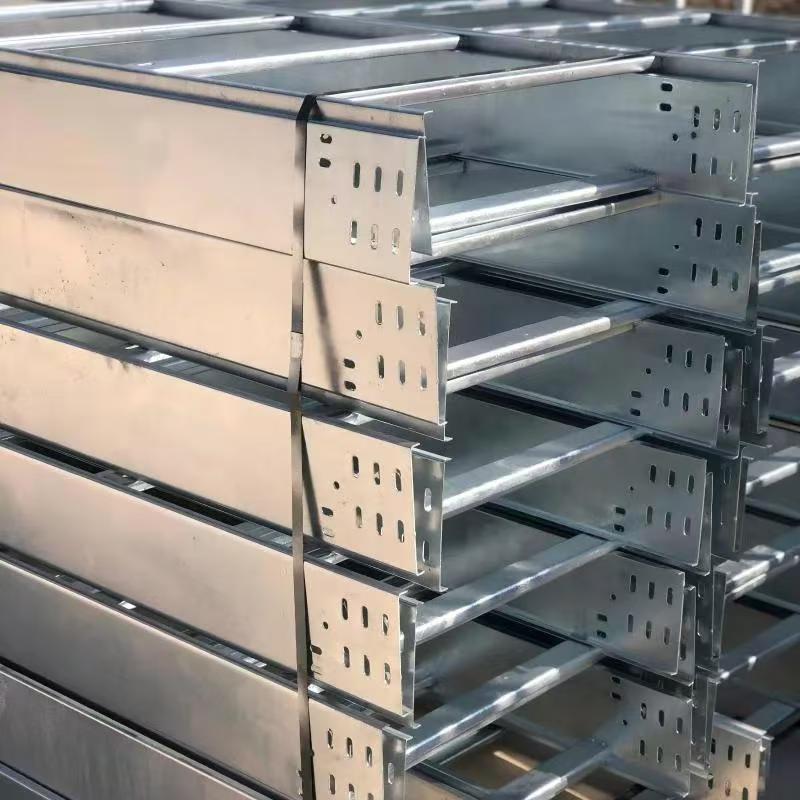
Products are reinforced before shipment. Long trays are cut into segments and fixed with wooden frames for bulk orders. Free replacement of accessories or negotiated return & exchange for deformed goods received.
Related Recommendations
We mainly provide high-quality special color sorters for sorting and grading applications across various industries.
Welcome To Contact Us
If you are interested in our products and want to know more details, please contact us or leave messace here
